

Tour button

Article

Attractions Go Plastic-Free in July

02:41 PM • By Evan Ponstingle

Facilities and service suppliers drive social and environmental impact

Driving Social and Environmental Impact Through Responsible Sourcing EduSession
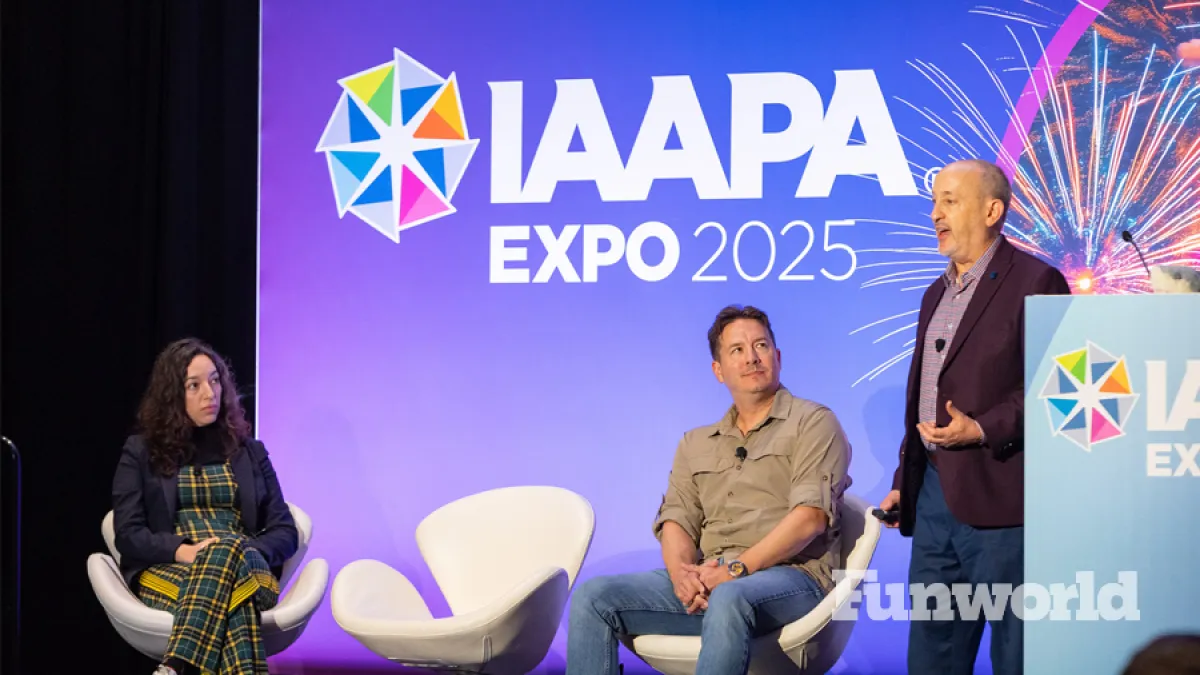
Colley Hodges, Andrew Fischer, and Veronica Celis Vergara present on driving responsible sourcing at IAAPA Expo 2025

Editors Note: This Funworld original reporting article is generated from an EDUSession at IAAPA Expo 2025. Driving Social and Environmental Impact Through Responsible Sourcing brought together three thought leaders to share how attractions can generate sustainable change leverage. Speakers included Andrew Fischer of SSA Group, Colley Hodges from Houston Zoo, and Veronica Celis Vergara from Valumia.

Each summer, the Houston Zoo leads an annual initative to cut plastic from its operation—and encourage guests to do the same. Plastic-Free July is a shared global movement encouraging everyday choices that reduce and eliminate plastic pollution.

For Colley Hodges, sustainability director at the Houston Zoo, the quest began with identifying a goal. When thinking about environmental issues affecting the Texas ecosystem, the problem of plastic pollution along the Gulf Coast arose. 

“In 2017, we were putting together the most recent iteration of our strategic plan, and we had identified a few goals, one which was to operate sustainably, to benefit the environment, but we also wanted people to basically think about kind of their purchases and their interaction with us, and how it could impact ecosystems and wildlife,” Hodges recalls, adding that plastic pollution surfaced as an issue where the zoo “could communicate to guests and have them take action in their own lives, and we could lead as a campus center organization in doing that.”

Hodges worked with SSA Group, the Houston Zoo’s culinary and retail partner, to investigate their supply chain and phase out single-use plastics at the Cypher Circle Cafe, one of only nine certified green restaurants in Houston. 

But the effort didn’t stop at the café. The Houston Zoo’s new group sales event space was built using sustainably sourced materials. “It's made of sustainably harvested wood, which has less environmental impacts than steel or concrete,” Hodges explains. 

The structure also includes an 18,000-gallon rainwater collection system and an all-electric kitchen (eliminating on-site combustion). “That was important to us to basically improve air quality and lower the carbon footprint of the building,” Hodges shares. 

The Houston Zoo also thought about the building’s longevity, and as a result, everything they did in its design was built for long-lasting impact.

“We know the direction that buildings and regulations are headed, so we would have to live in this building for 50 or 60 years and be stuck with that design decision,” Hodges continues. “We were able to go with an all-electric kitchen, which lowered our environmental footprint and saved money. All of this ended up helping us win the [American Zoo Association] top honors for sustainability.”

IAAPA is dedicated to driving sustainability practices as a priority for all members and sharing success stories to serve as inspiration. Check out IAAPA's communities here.

In addition to working with partners to think about their sourcing, the zoo has also outlined practical ways to energize staff members and enshrine these practices in the everyday work environment. 

“Around the same time, we created a broader body of sustainable documents, like policies and guides related to procurement,” Hodges adds. “We drafted a sustainability action plan. We've seen that these initiatives are really effective at energizing our staff and empowering our staff.” 

This action has led to an annual Plastic-Free July, where staff is encouraged to cut out the use of single-use plastics in their day-to-day lives.

Hodges also encourages operators to add sustainability messaging in new exhibits and attractions. Pointing to the success of their recent Galapagos Island exhibit, Hodges mentions the purposeful inclusion of a gallery with a display on the usage of single-use plastics.

“It was the first time [we] really embedded a take action message for guests,” Hodges explains. “The overarching message of the exhibit is that we share an ocean at the Galapagos Islands, and we kind of all in the world really share one ocean. So, this was a chance to tell guests, there's something you can do in your life to eliminate threats to wildlife and oceans across the world, including the Galapagos Islands.”

Andrew Fischer, vice president of restorative strategies for SSA Group, says working with supply chain partners can create sustainable merchandise for facilities. By working with their partners, SSA Group found success providing plush made from recycled water bottles and plush made to be hypoallergenic. The group also worked to cut down on the amount of plastic used in product packaging. 

“I had an associate from the [Monterey Bay] Aquarium challenge me and say, ‘How can we be the institution that we are with our mission of inspiring the conservation of the ocean, but then you walk in your shop and there's all this wall of plastic packaging,’” Fischer says. “So instead of saying, ‘Whoa, we're not going to talk about this,’ we're like, ‘All right, let's engage in a conversation.’” 

By listening to employee feedback, the SSA Group was able to work with vendors to get rid of plastic packaging. Sales increased, showing that green initiatives can often have a positive impact on the bottom line.

Food and beverage locations can also offer various opportunities for operators to examine where else they can source for an impact. Reusable linens, reusable cups and utensils, and serving in reusable containers all have an impact on the industry and the community. Many of the zoos and aquariums that the SSA Group is involved with offer catered events for group sales clients.

Fischer saw this as an opportunity to work with local vendors to figure out how to operate more sustainably. “Our teams were like, ‘Let's talk to some of our local vendors, figure out a way to have reusable containers or other reusable options, or more linen-less tables that can still have the terrific look without having to have that waste,’” Fischer explains. “Everything should be literally on the table to consider for sustainable changes in your operation.”

Veronica Celis Vergara, CEO of research company Valumia, says it’s important to have a sustainable and resilient supply chain. 

“Identify your critical suppliers, see if there's any risk associated with them, and maybe try to go deeper with them a little bit, because whatever you do to make visible your supply chain will make it possible for you to manage those risks,” Vergara says. “Because at the end of the day, the real magic of our industry is joy, and the only way to protect that joy is to build sustainable, resilient supply chains.”

Sustainability in a resilient supply chain is a challenge and opportunity for all members to think about in their businesses. 

“Recognize the challenges,” Fischer concludes. “Make a note of them. Engage your vendors and partners. Be creative in your solutions. Don't be afraid to try something different … build momentum, collaborate on that goal setting, utilize industry standards that are out there and absolutely engage your staff, engage your leadership, work with them."

Read more about IAAPA's sustainability initiatives here: https://iaapa.org/education/resources/sustainability 

Andrew Fischer

Andrew Fischer is the vice president of restorative strategies for the SSA Group, and his primary focus is driving, developing, and supporting sustainability and conservation efforts for his organization.  Since 2004 he has been driving impactful programs for the organization as well as influencing and supporting the cultural attractions industry. Fischer is a guest service-focused retailer at heart, and a passionate supporter of the natural world.

Colley Hodges

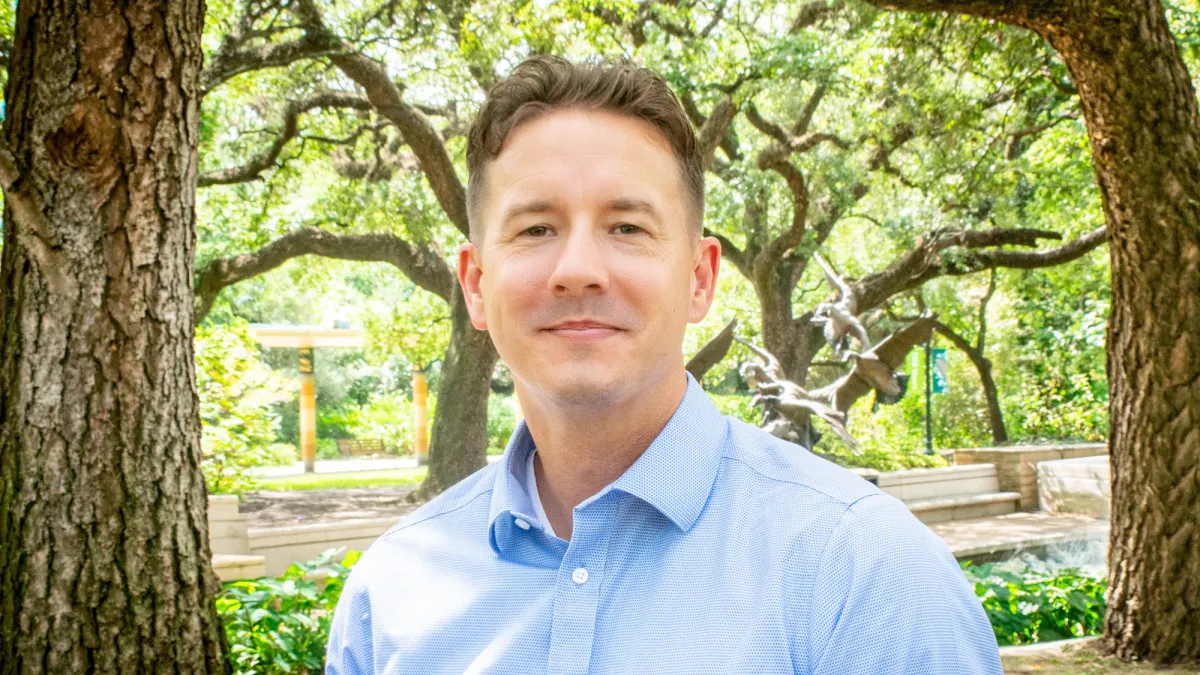
Colley Hodges, Sustainability Director, Houston Zoo

Colley Hodges is an architect who leads the Houston Zoo’s sustainability department, recognized by the Association of Zoos and Aquariums as the top sustainability program in the country in 2024. Colley is responsible for implementing the Zoo’s Sustainability Action Plan and wildlife-saving initiatives like single-use plastic reduction and bird-safe buildings.

Vero Celis Vergara

M. Veronica Celis-Vergara is the founder and CEO of Valumia, a platform that helps companies uncover environmental, social, and governance (ESG) risks in their supply chains using only purchase data. With no need for supplier surveys or consultants, Valumia automates supply chain analysis and flags critical issues — from modern slavery exposure to water stress — delivering tailored insights. 

evan postingle
Evan Ponstingle

Evan is the Digital Content Associate for IAAPA. A graduate of Bowling Green State University, he has worked in a variety of roles at Kings Island, Hersheypark, and Cedar Point. Evan is the author of the book Kings Island: A Ride Through Time, and is passionate about telling the stories of the attractions industry. Connect with him on LinkedIn.

More from this contributor

For media inquiries or further information, please visit the Pressroom or email [email protected]

IAAPA is the leading global association for the attractions industry, representing theme parks, water parks, family entertainment centers, zoos, aquariums, and more. Dedicated to advancing industry growth, safety, and innovation, IAAPA provides its members with world-class events, educational resources, and advocacy efforts. IAAPA connects professionals across the globe, helping them create impactful guest experiences and drive business success. More about IAAPA

Connect with the Real Stories Behind the Fun

Follow our social media for authentic stories, special moments, and behind-the-scenes looks from the attractions world.

awards
giant
dogs
celebration
winner
iaapa
girl