


Funworld
Trending F&B at Zoos, Aquariums, and Museums
What's on the menu today in zoos, aquariums, and museums
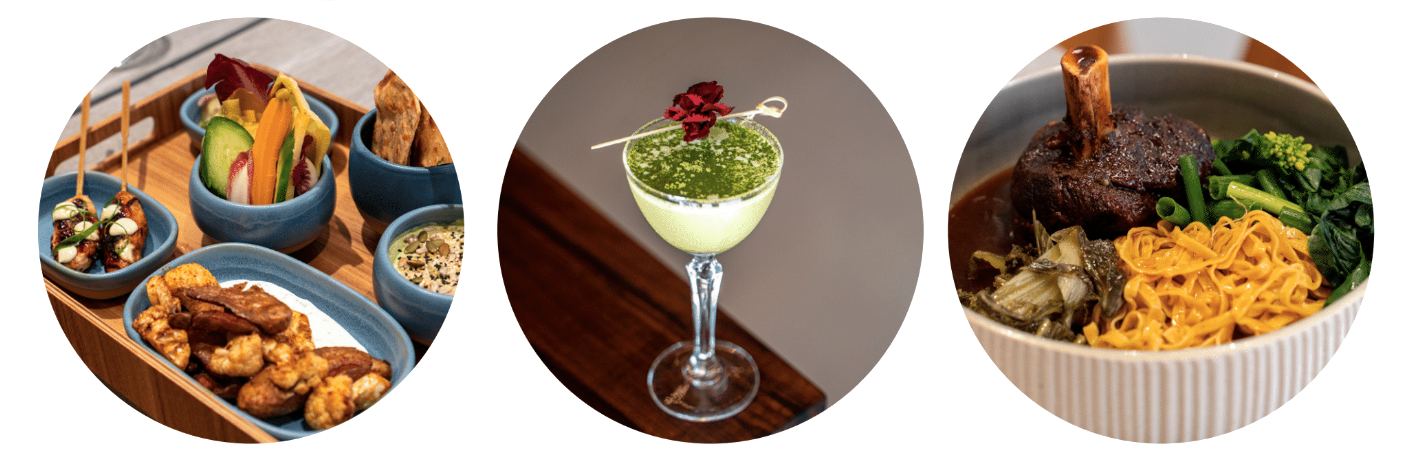
CHEF-DRIVEN DISHES, HEALTHY INGREDIENTS, FRESH HERBS, AND CREATIVE MOCKTAILS are all trending at cultural attractions across the world. The upgrades come as costs for virtually everything continue to rise. Also rising, the buying power of the next generation. Gen Z (born between 1997 and 2012) is defined by their food-loving nature—and an expected global spending power of $12 trillion by 2030 according to NielsenIQ. In fact, in the U.S., 71% of Gen Z say they are excited for new food and drink trends. (That’s markedly more than 59% of Baby Boomers, according to Datassential.)
When food and beverage programs support attractions, they add a cohesive element that elevates the facility.
“We always try to partner with what the museum is doing so we can tie into their exhibits,” says Chef Jason Dady, whose restaurant, Tre Trattoria, operates at the San Antonio Museum of Art. “It makes the experience more tangible for the guest.”
The same can be said for zoos and aquariums.
“Most people don’t think about high-quality food when they think about going to a zoo. That’s one of the things we’re changing right now. It’s higher quality food as opposed to just high-volume orders,” says Benjamin Garcia, general manager at SSA Group, which supports dining, retail, and admissions at zoos, aquariums, and other cultural attractions across the U.S.
Funworld explores how zoos, aquariums, and museums are trending with what’s on the palate.
Storytelling at Zoos and Aquariums
Top chefs have increasingly designed menus to enhance the attraction experience through elevated presentations, regional flavors, or exhibit-inspired dishes.
“It’s definitely a trend we’re seeing on the aquarium side, being able to elevate the experience that guests are having,” Garcia from SSA Group says.
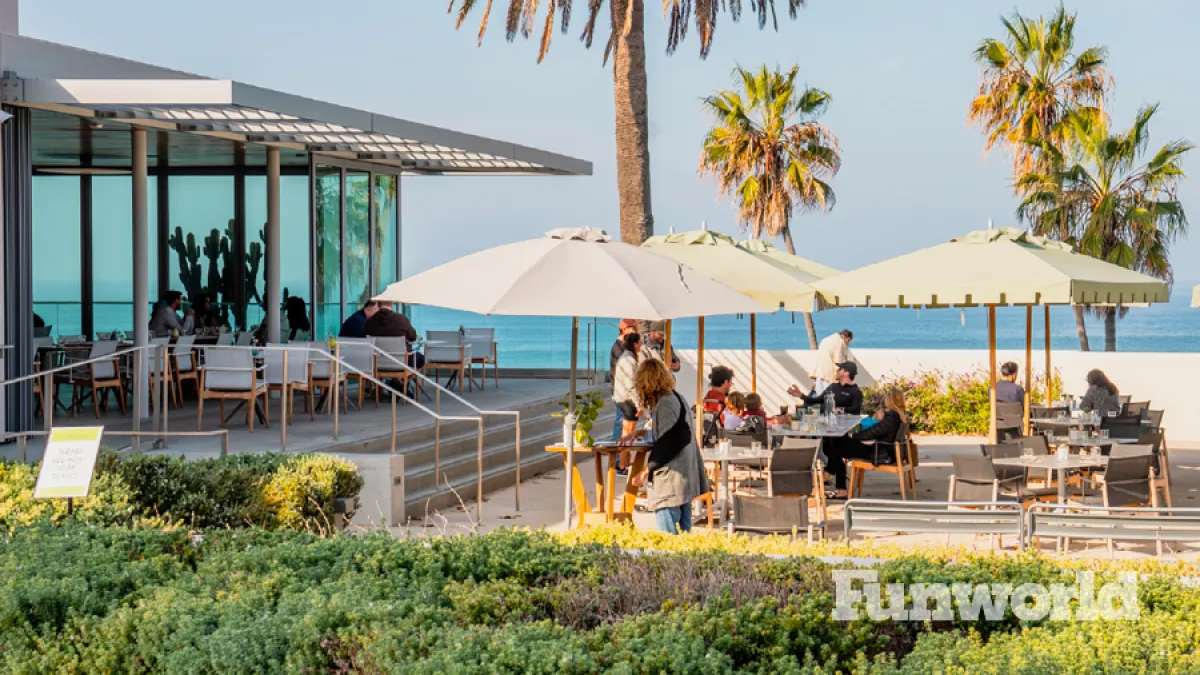
At the Texas State Aquarium, the Canopy fast-casual dining area gave the SSA Group an opportunity to get creative with theming and menu offerings. Dining with a view of the Caribbean Jungle Overlook, guests can choose from Tex-Mex favorites like walking tacos, flautas flojo, or elote cups, all served on “nice dishware” instead of paper baskets that people often expect from quick service concessions.
Mkutano House in the San Diego Zoo’s Denny Sanford Elephant Valley is, perhaps, one of the most awe-inspiring examples. The name Mkutano means “gathering with purpose” in Swahili. The food, drinks, and décor reflect this philosophy, while every detail evokes the vibe of an African safari. With a menu designed by Chef Grant Toraason, the restaurant serves appetizers and main courses that are meant to be shared.
At the San Antonio Zoo, the restaurant in the Flamingo Flats area features Timothy’s Tasty Torta, named after the exhibit’s resident hippo. “The messaging behind what we serve and how we serve it is really important,” Garcia says.
The menu also includes quesadillas and mini street tacos, all crafted with fresh ingredients like avocado crema, pico de gallo, and queso fresco—all nods to local cuisine.
Regional and Thematic Influences in Museums
Just as menu items at the San Antonio Zoo and Texas State Aquarium lean heavily toward Tex-Mex, The Kitchen’s design, décor, and menu reflect Museum of Contemporary Art San Diego’s (MCASD) location on the Pacific coast.
“You’re literally looking out at the ocean from the dining room, so we keep the food lighter,” says Executive Chef and Partner Tim Kolanko of The Kitchen. “The design of the restaurant reflects the contemporary art, and the plating and plateware tie back into that. All of those things are very intentional.”
The philosophy and theme of San Diego’s Mingei International Museum shapes how dishes are presented at Artifact. “It’s not a fancy art, so our cooking there reflects that as well. It’s not overly fussy—it’s very real and homey,” Kolanko explains.
The Artifact menu often has a direct correlation with the art exhibits. “We look to whatever’s happening in the museum to see if we can draw inspiration from it. When there was an Oaxaca exhibit, we did some Oaxacan dishes,” Kolanko says. “There’s a greens exhibit currently, and we did a whole menu based on greens for a special dinner to honor that exhibit.”
Dady agrees, noting that he might introduce Spanish flavors to honor a Spanish artist whose work is currently on display, or add seafood items if the art center is based upon the ocean.
Elevating Expectations
In addition to immersive experiences that fit a theme, guests today also expect healthier, high-quality, locally sourced ingredients.
“We’re working closely with local farmers for produce and protein and supporting community businesses,” Garcia says.
Urban Kitchen Group also emphasizes fresh, locally sourced ingredients. MCASD leans toward chef-designed dishes based on seasonal ingredients.
“We went through a lot of different iterations,” Kolanko recalls, before settling on a theme that would work at The Kitchen in MCASD. “We finally settled on aromatics and spices; that ties everything together from an experiential standpoint.”
In April, The Kitchen hosted an ingredient dinner based on peas and fava beans, while fall brings recipes using squash and cruciferous vegetables.
Lighter Options and Mocktails
The experts agree that elevated doesn’t have to mean formal or fancy.
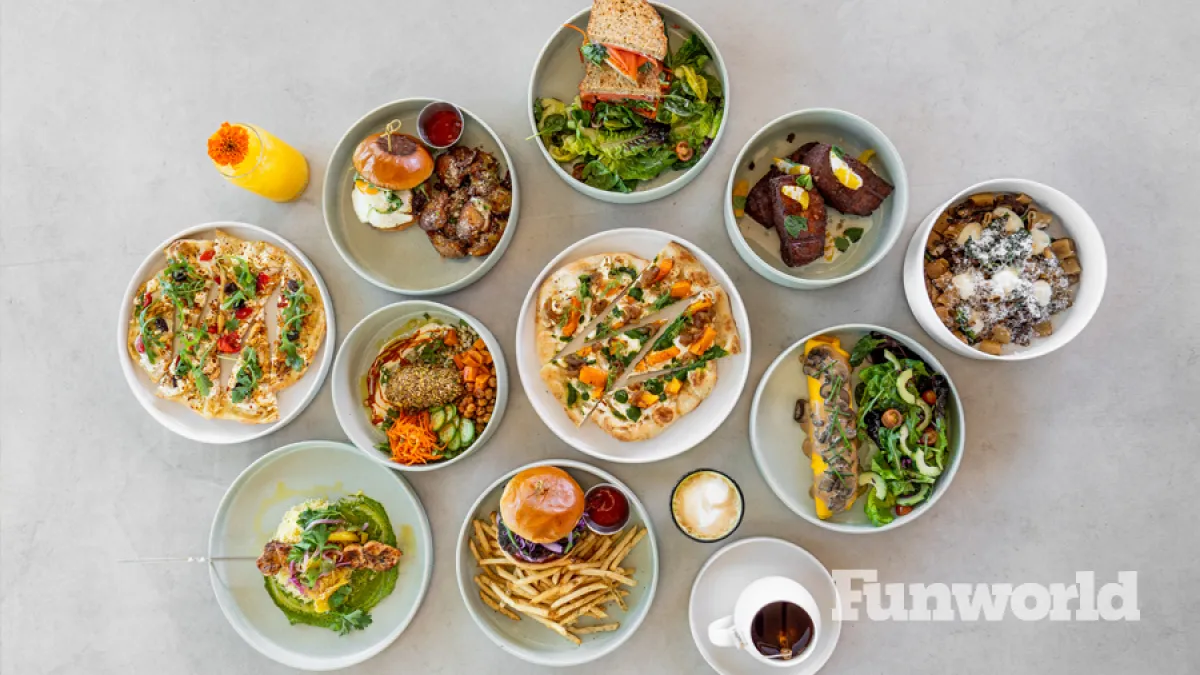
While restaurants in museums may host evening events or dinner hours, daily museum visitors still expect lighter, faster lunches that allow a brief break from browsing exhibits. “Salads, small sandwiches, maybe thin-crust flatbreads or pizza … really resonate with the lunch crowd,” Dady says.
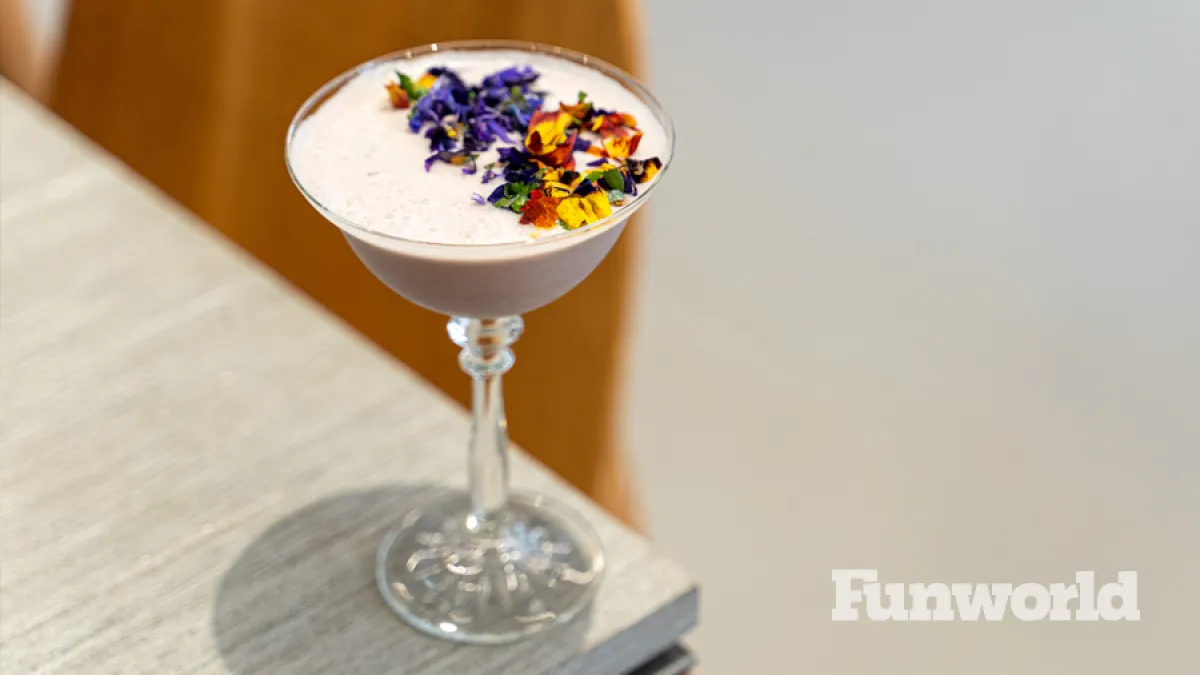
Often, this fare pairs well with sweet cktails. “When you’re going to a museum, you’re not really going there to catch a buzz. You’re there to take in the gallery, and a mocktail with a light lunch still gives you that feeling of having a special experience,” Dady says.
At the Mingei Craft Café, Kolanko explains that specialty iced teas and colorful drinks elevate the mood. “If you look at what people are doing in café culture, it would be the same for us.”
Adding a Touch of Star Power
For operators looking to elevate their facility’s dining options, Dady suggests decision makers look for an executive chef or partner with a built-in relationship with the community. “That’s important, but totally overlooked at times,” he says.
Finding a chef with this type of relationship can drive traffic to the attraction (see an example from Europa-Park on page 10). A chef with a connection to the community is likely to know what will appeal to guests in terms of menu items and plating. It also makes sourcing local ingredients easier.
Dady also emphasized that an attraction shouldn’t consider the restaurant as a primary source of revenue—instead treating it as an enhancement to the guest experience.
“If you can create a revenue-generating, successful restaurant that is financially feeding the museum, everybody wins,” Kolanko concludes.
Taking a Bite Out of the Data
Research groups share trends for 2026 and beyond
by Scott Fais
The National Restaurant Association in the U.S. and London-based consumer forecaster WGSN have made several predictions as to what flavors and food items diners will seek—and spend on. Here are the highlights:
Booze Takes the Backseat
WGSN says with Gen Z (born between 1997 and 2012) seeking less alcohol-heavy beverages (as served in nightclubs), gathering spots outside a bar have become popular. Thus, enter the cafes as a community hubs era. Attractions can harness “cafe culture” by serving mocha or tea. What’s hot (besides the coffee)? Creamy foam toppings or adding boba flavor balls.
Nostalgia Proves Comforting
What is old is new again, according to the National Restaurant Association. Dishes that transport diners to a favorite memory can score. Examples: Smashed burgers with global personality; Caribbean curry bowls that hit flavorful notes; and instant noodles—like ramen—that have the potential to become a chef-crafted specialty.
Welcome ‘Brinner:’ Beyond Breakfast Hours
WGSN suggests operators consider making breakfast foods available all day to reflect Gen Z’s interest in having a pastry in hand. (French music producer Louis Bekk recently spun a pop-up DJ set in an Antwerp, Belgium, bakery.) The research group says bite-sized pancakes, miniature waffles, and cereal snack mixes can allow guests to snack while queuing for a ride.
Baking in Health, Wellness, and Value
Call it a power trio. The National Restaurant Association says diners want to feel great— and feel good about what they spend. Thus, attraction operators can jump on the trend of offering bowls packed with fresh ingredients and protein-boosted everything.

Follow IAAPA for news and event announcements in your favorite social media apps
Connect with the Real Stories Behind the Fun
Follow our social media for authentic stories, special moments, and behind-the-scenes looks from the attractions world.


