
Funworld

Tiny But Mighty Museums

09:11 AM • By Sophie Brookover

Tiny But Mighty

merl museum social media viral post tweet

Small institutions that make a big impact

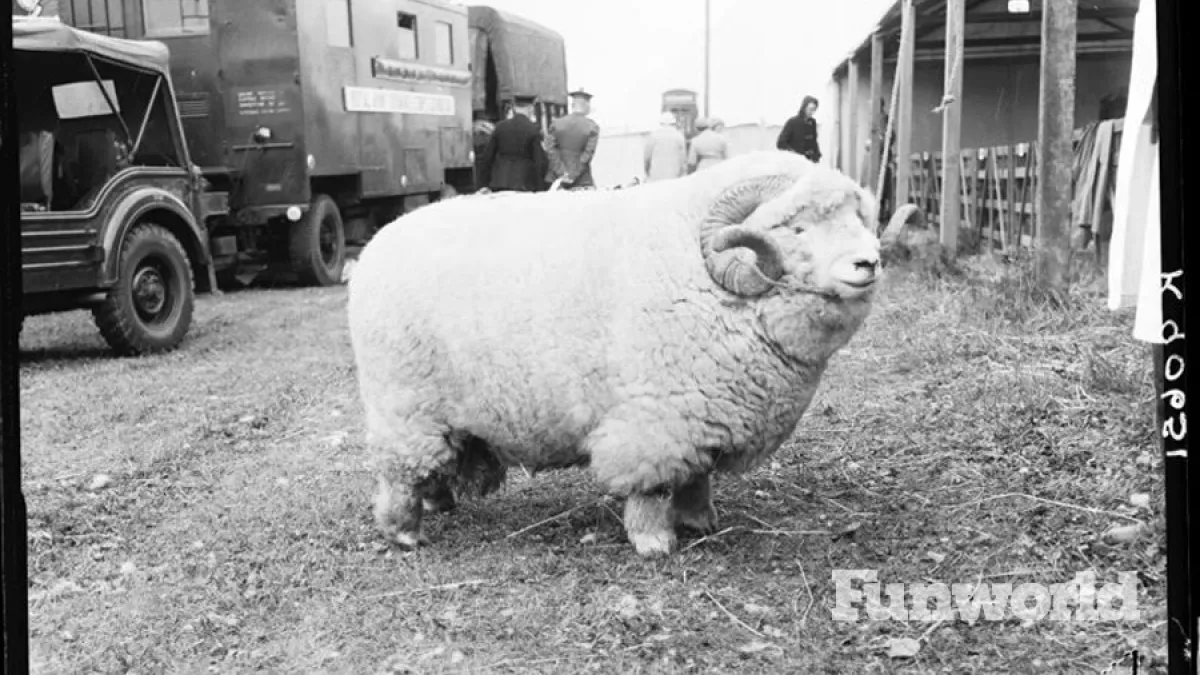
On an otherwise unremarkable day in April 2018, Adam Koszary, a staffer at the Museum of English Rural Life (colloquially known as The MERL) hit publish on a tweet. He’d paired an archival image of a massive ram in dire need of shearing with a cheeky little caption: “Look at this absolute unit.” This was a format he’d been playing with successfully for months. A flurry of retweets ensued, as did a spike in followers. And then the retweets and new followers kept arriving in waves upon waves, until the small, free-of-charge museum tucked into a building on the campus of the University of Reading suddenly found itself the social media darling of the world of museums, archives, and libraries. Over time, The MERL parlayed this moment of virality into its brand identity, launching a podcast, “Absolute Units,” and selling merchandise featuring the ram and its caption in the museum gift shop.

Small museums focused narrowly on niche subjects typically do not have particularly high profiles outside of their core audiences. Every so often, however, a small institution bursts into the popular consciousness or finds itself at the center of one of the most pressing political subjects of the era. Funworld spoke with representatives of four small museums to identify their approaches to change and innovation, what works, and what larger attractions—amusement parks, zoos, aquariums, botanical gardens, family education centers, and even bigger museums—can learn from their colleagues at smaller venues.


Unique, With Broad Similarities 

In addition to The MERL, representatives from the Tenement Museum in New York City, the Mütter Museum in Philadelphia, and the National Mustard Museum in Middletown, Wisconsin, participated in Funworld’s survey. Each institution is devoted to preserving and interpreting a very specific sliver of human history, so each is deeply intertwined with its home city and region’s broader history. With such a range of specializations, it might seem impossible to find common threads across these museums, but certain statistics paint a recognizable picture. 

This quartet of museums also shares quite a bit of DNA in terms of their approaches to subject matter, embrace of experimentation, and even a bit of whimsy. Having the flexibility and nimbleness to make adjustments or follow a quirky idea farther than is typical of larger, more hierarchical organizations can be a distinct advantage. 
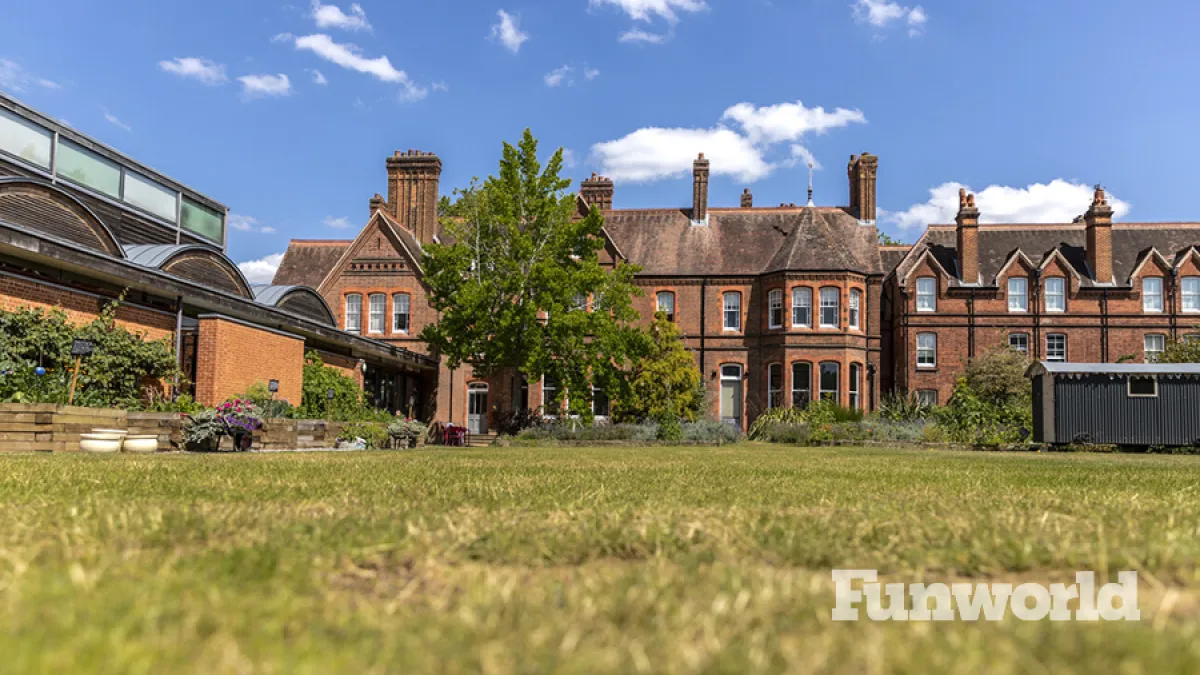
merl museum exterior
Credit: The MERL
The MERL:
Specific and Unapologetic

The MERL was founded in 1951 to preserve and store vestiges of England’s pre-World War II farming practices. Since a major renovation in 2016, the museum has shifted its focus to engaging a wide variety of communities within its home city of Reading. “We’ve been focusing on underserved communities, who may not have come to museums before,” says Marketing Lead Joe Vaughan. When the “absolute unit” tweet went viral, the massive online engagement “mirrored all of the local community work we were doing, but on a global scale,” inviting new and enthusiastic crowds of virtual visitors into the museum’s exhibits and events. 

Vaughan attributes the success of the 2018 tweet and all that has followed in its wake to his predecessor Kozsary’s embrace of the conversational, self-aware brand identities so popular at the time. Using the grammar of image-plus-funny-caption memes harnessed “playful, creative thinking” and allowed The MERL to “just share stories from the museum collection or encourage [people] to come to our free museum.” The lack of any profit motive, combined with the museum’s high degree of trust in its small staff and their creativity, both set and has maintained the stage for low-stakes experimentation. In 2025, Vaughan and Curator Dr. Ollie Douglas launched their podcast “to keep the tone and some of the humor of the short-form content, using that as a way to explore issues in a longer, meaningful way.” 

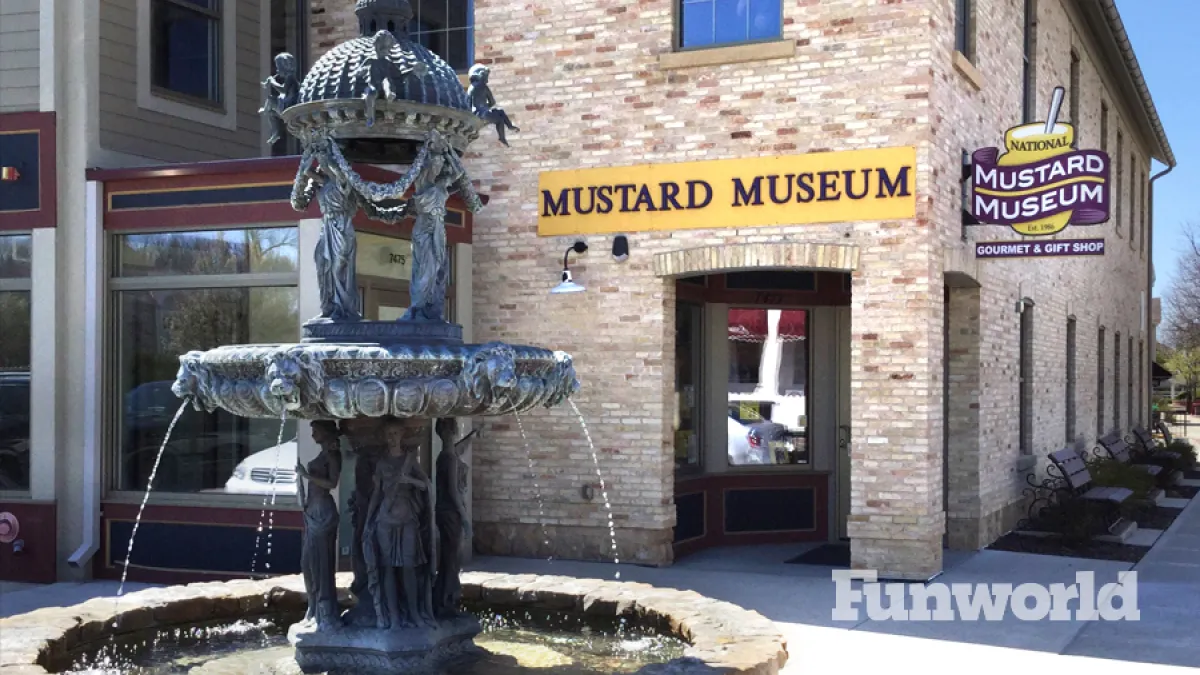
mustard museum exterior
Credit: The National Mustard Museum
The National Mustard Museum:
Spreading Whimsy 

As the brainchild of one person with an intense and durable special interest, the National Mustard Museum has the most whimsical history of the four institutions. It’s possible that Barry Levenson, the founder and curator, is indulging in a little myth-making when he describes the inspiration to open a museum dedicated to the history and many types of mustard, but his deadpan delivery and commitment to the bit are both undeniable. When “the Red Sox lost the World Series in 1986, I was very depressed, so I went to an all-night supermarket.” As he “roamed up and down the aisles, I remember tears running down my cheeks, and when I passed the mustards, I heard this voice that said, ‘If you collect us, they will come.’” While it’s unlikely that the mysterious voice that inspired the fictional Ray Kinsella to create his “Field of Dreams” also moonlit in a Wisconsin supermarket, Levenson did begin collecting mustards at that time. 

Levenson continued to collect mustards for another four or five years, when he says he decided that it was just too much fun to not go all in on mustards. The museum opened to the public in 1992 and now boasts over 7,000 mustards in its collection, representing all 50 U.S. states and 70 more countries. Within this group of museums, the National Mustard Museum has garnered the most coverage in legacy media, including segments on “CBS Sunday Morning” and pieces in Oprah Magazine. The museum also boasts large one-day crowds at its signature annual events, such as National Mustard Day in August (around 7,000) and the first round of its World-Wide Mustard Competition. 

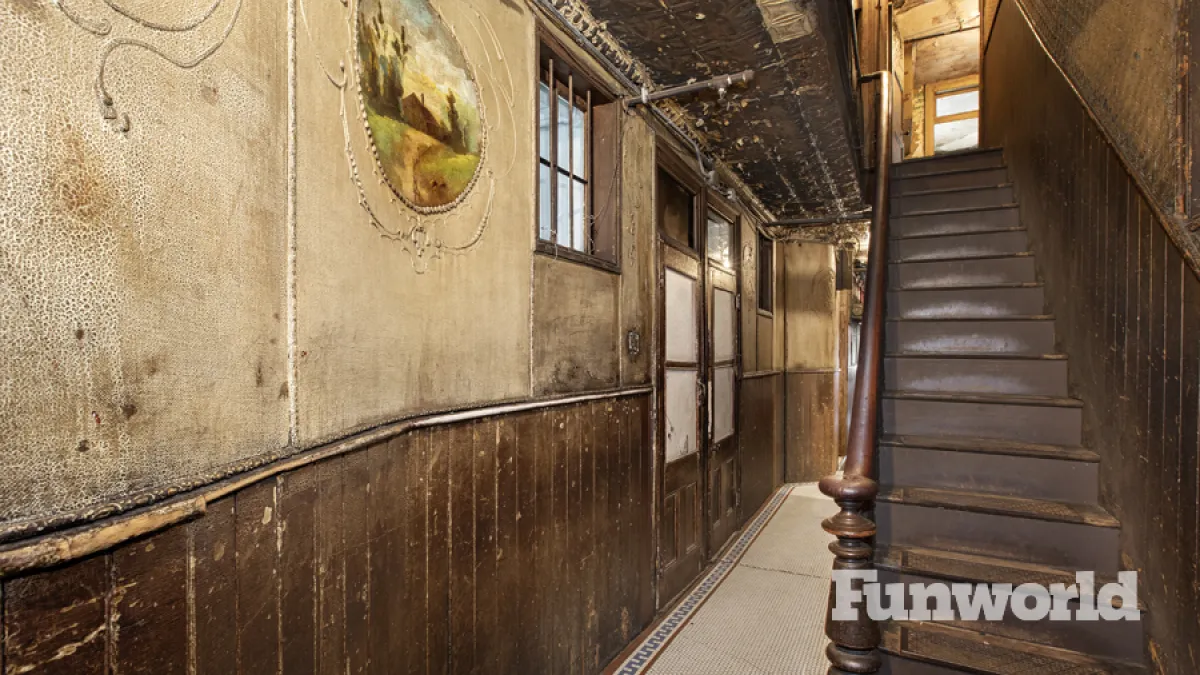
tenement museum
Credit: The Tenement Museum
The Tenement Museum: 
Immigration Then and Now

As one of New York City’s ecosystem of ethnic heritage museums, the Tenement Museum provides guided tours of its two historic tenement apartment buildings, along with its neighborhood on the Lower East Side of Manhattan. Like other heritage-oriented museums, the Tenement Museum is “devoted to telling the story of one group’s experience,” says Senior Director of Curatorial Affairs David Favaloro. Visitors from Italian, Irish, and Eastern European Jewish backgrounds might visit to engage with their particular family history, and while “the particularities of groups’ experiences might be different,” Favaloro says, the museum’s highly trained guides, called storytellers, emphasize and explore their common experiences, which for many was to create a new life in a new place.

With immigration stories at the heart of its mission, the Tenement Museum has always been story-focused, a feature that has taken on new resonances in the last couple of years. One of the storytellers’ enduring tours includes the history of an Italian family whose patriarch and matriarch held different immigration statuses because of immigration quotas that took effect in the year between their respective arrivals in the U.S. The family’s matriarch was legally an undocumented immigrant. Because of the political baggage attached to that term, “it’s kind of a lightbulb moment for a lot of folks hearing that story,” Favaloro says. “It’s not what they were expecting, and it really complicates the picture they have of what an early 20th century immigrant experience might look like for an immigrant of European origin.” 

Many exhibits incorporate interactive digital elements—often in the form of oral history videos or digitized records and documents—all of which “widen the impact of the stories we’re telling. But there’s something very different about going on a tour with a real person. There are so many places where you’re looking at something on your phone as you’re going through the space, so you’re mediating the thing that you came to experience” rather than experiencing it directly. The distinct makeup of each tour group yields “a wholly different experience and different kind of conversations” within each tour. Post-COVID, amid the isolation that record numbers of people report experiencing, the mundane experience of going on a walking tour in the company of our fellow humans is now a premium tourism experience.

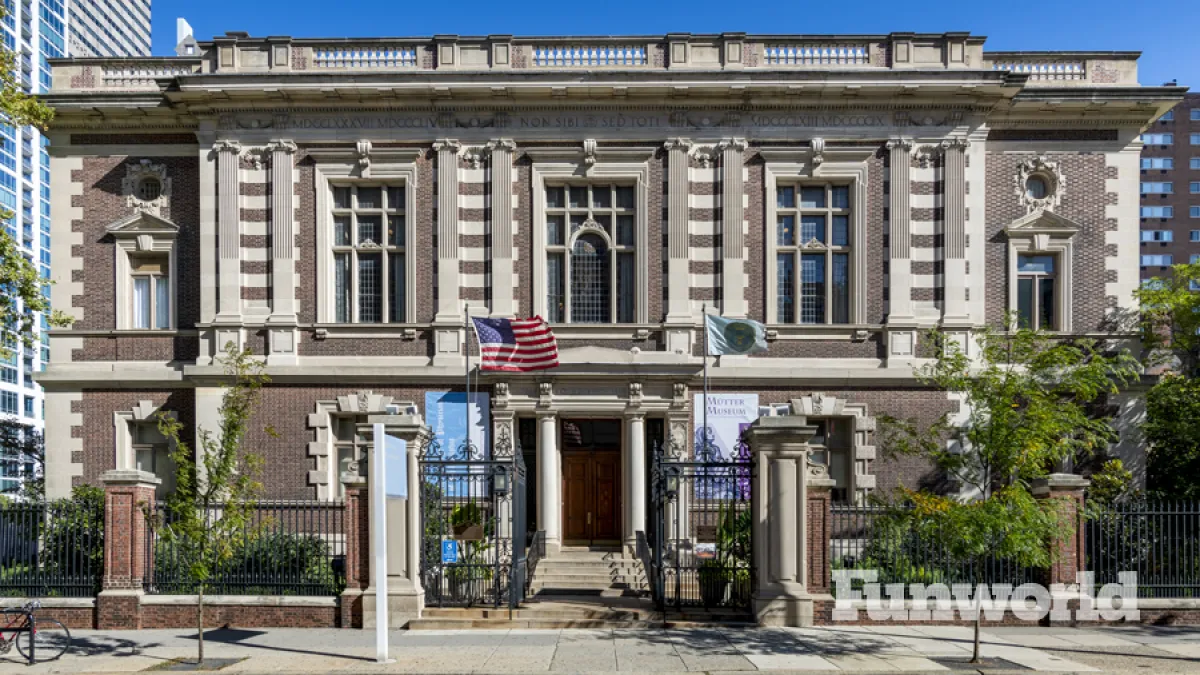
mutter museum
Credit: The Mütter Museum
The Mütter Museum: 
Leading With Fascination

Sara Ray and Erin McLeary, two department heads at Philadelphia’s Mütter Museum, are encouraged by the public’s reception of their ongoing efforts to marry the past with the present—by leading with fascination in the museum’s approach to storytelling. Fairly or not, the museum, founded in 1859 as a teaching collection for medical students, was shorthanded as a leading public collection of medical oddities. The Mütter now serves the public, teaching medical history through engaging storytelling.

For many years, the museum’s specimens—picture side-by-side skeletons of people with gigantism and dwarfism, or preserved body parts and tumors floating in jars of formaldehyde—were largely anonymous, divorcing them from the human beings to whom they once belonged. That might seem too academic or serious for the average tourist to bother with, but the Mütter’s collections are so famous that for the landmark 800th episode of “The Simpsons,” set entirely in Philadelphia, Homer Simpson visited the museum (and, true to form, broke its policy banning photography by taking a selfie in the galleries).

Today, McLeary, the senior director of collections and research, and her staff are “thinking in this current moment about how we explode out from a particular [specimen] into a much bigger context,” restoring humanity and adding richness to the stories of the people behind the museum’s roughly 500,000 cataloged objects. “We’re digging into the collections and pulling out what we know about them, the context of them, how they might have come to the museum, and how we might tell their stories,” McLeary continued. The practice isn’t new in museums broadly, or at the Mütter in particular, “but we’re leaning into it far more than the institution has in the past.”

Ray, the senior director of interpretation, and her team create the museum’s public programming. She notes that the work of “reattaching individual specimens with a human identity or community of care” is possible largely “because our collection is almost exclusively from Philadelphia medical patients,” giving researchers a “unique opportunity to get all the way back to the person” whose remains are the responsibility of the museum. Subjects, such as the megacolon belonging to Joseph Williams, a Philadelphian previously known only by the initials J.W., and the distended kidney belonging to a previously anonymous Quaker woman, have gone from being grotesque objects of curiosity to the remains of fellow human beings whose stories can be known, shared, and understood in far more depth. 

As staff at the Mütter have continued to explore and implement this updated approach to medical history storytelling, the museum’s two primary audience groups, the public and museum professionals, have embraced it wholeheartedly. A 2025 public program where Ray and McLeary shared details about the process and findings of their archival research drew in over 200 attendees.

Lessons For Larger Institutions

Just as these small museums don’t aspire to become The Met or the Victoria & Albert Museum, neither should larger institutions attempt to create note-perfect imitations of what their smaller peer organizations are doing. Chasing virality for its own sake is hollow and inauthentic. Instead, larger institutions can liven up their voices in person and online by identifying and leaning into their own idiosyncrasies. 

These can be visual, spatial, or sonic, old or new. Museums can cast a fresh eye on collections that have never enjoyed time in the spotlight. Amusement parks might adopt a visually distinctive ride as the park’s visual brand and develop a voice for it. Aquariums and zoos could choose a visitor favorite among their animals and designate it as their mascot. The keys are specificity and authenticity. 

The MERL’s Joe Vaughan encourages larger organizations across the industry to consider working with well-regarded content creators and influencers already working in the attractions space. This reduces the likelihood of staff burnout and increases the chances of an attraction gaining more attention with its desired audience. 

The Mütter Museum’s Ray and McLeary urge institutions whose collections have complicated legacies to “own it, and give the public the opportunity to help you figure out what that integration looks like in the future.” Shifting their interpretive lens should happen “in conversation with the audience, in public.” Above all, lean into the oddness. It just might result in a shoutout on a special episode of “The Simpsons.” 

Sophie Brookover

Sophie is a writer with bylines at Vulture, The Daily Beast, and GRAMMY.com Thanks to her previous career in librarianship, she's curious about everything from costume design and decorative arts to logistics and amusement design. Connect wither her on LinkedIn.

More from this contributor

For media inquiries or further information, please visit the Pressroom or email [email protected]

IAAPA is the leading global association for the attractions industry, representing theme parks, water parks, family entertainment centers, zoos, aquariums, and more. Dedicated to advancing industry growth, safety, and innovation, IAAPA provides its members with world-class events, educational resources, and advocacy efforts. IAAPA connects professionals across the globe, helping them create impactful guest experiences and drive business success. More about IAAPA

Connect with the Real Stories Behind the Fun

Follow our social media for authentic stories, special moments, and behind-the-scenes looks from the attractions world.

awards
giant
dogs
celebration
winner
iaapa
girl