
Article

Mock ‘n’ Roll: The Zero-Proof Spirit Trend

• 02:59 PM • By Jodi Helmer, Juliana Gilling

Mocktails drive revenue as a healthier, non-alcoholic alternative

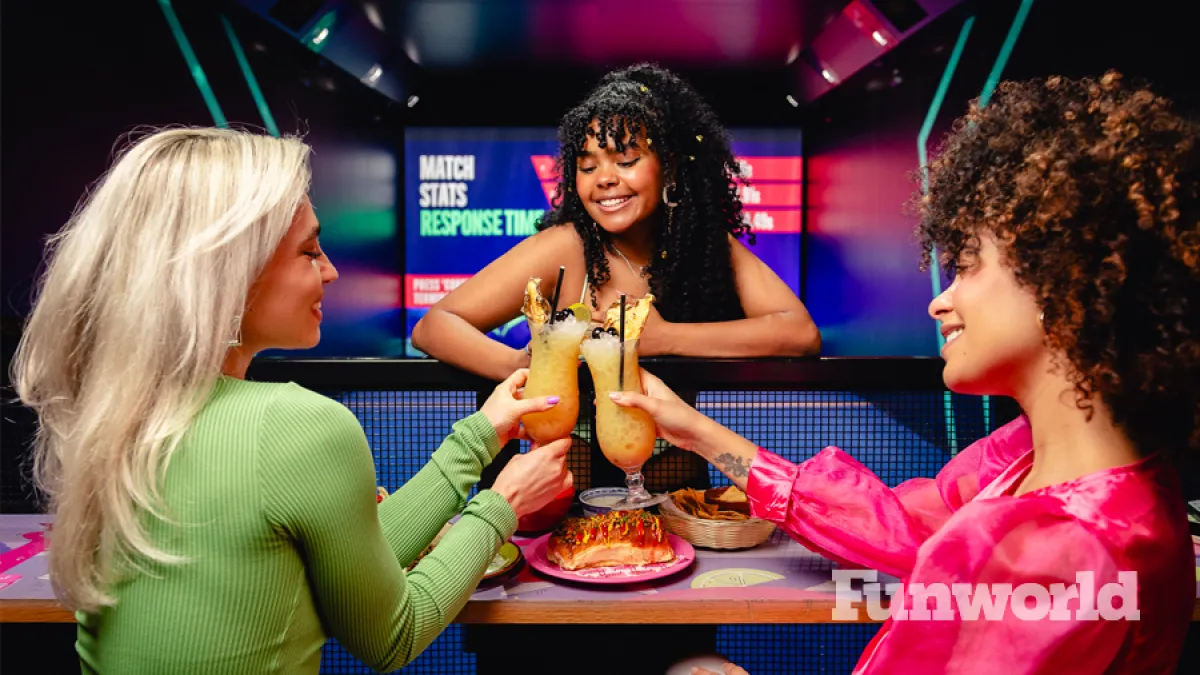
TOCA Social women enjoying mocktail non-alcoholic drinks
Photo by TOCA Social

AS MOCKTAILS—NON-ALCOHOLIC BEVERAGES—become theme park menu stars, attractions continue to develop sophisticated mocktail programs featuring premium ingredients, elaborate presentations, and branded souvenir vessels to enhance the guest experience. 

“[Mocktails are] integral,” says Will Ramsey, vice president of sales at Georgia Aquarium in Atlanta. “We started hearing the buzz in the events industry that mocktails were coming up in popularity … and we leaned into it.”

Changing drinking habits and a growing demand for alcoholfree options are reflected in Gallup polls: only 54% of U.S. adults reported drinking alcohol in 2025—the lowest level recorded since Gallup began tracking alcohol consumption in the 1930s.

Funworld takes a global look at the growing trend of serving (and capitalizing on) Mocktails.

Full Theme Ahead

Mocktails are not limited to one region or continent. Attractions operators across the globe can benefit from the trend. 

“For Efteling, it is important that guests are fully immersed in the themed world they are visiting,” says Dennis Krijgh, manager of food and beverage services at Efteling. “They also respond to the growing interest in alcohol-free alternatives, without compromising on flavor, presentation, or experience.”

The Efteling theme park resort in the Netherlands serves mocktails year-round, adapting the selection according to the season. “In winter, for example, we serve a warm apple mocktail and the Winter Twilight Mocktail, featuring warming winter spices,” Krijgh says.

Frozen mocktails are available to guests during the summer, capitalizing on the popularity of slush drinks among younger guests, while also offering a refreshing, themed option for a broader audience.

Mocktails are not just refreshments. Creative food and beverage teams see their zero-proof offerings as an extension of the visitor experience.

Georgia Aquarium in Atlanta partnered with Wolfgang Puck Catering’s mocktail program to mirror the sophistication of traditional cocktails. The menu includes a ginger basil refresher—made with ginger basil elixir, sparkling water, and lemon juice—and a blackberry thyme spritz made with blackberry thyme syrup, sparkling water, and a thyme and blackberry garnish. Themed drinks are added to the menu for
special events.

Island H2O Water Park in Kissimmee, Florida, created an expansive menu of nonalcoholic, island-themed drinks and frozen mocktails with names like Tropical Trio Cooler, Island Storm, Watermelon Wave, and Frozen Pina Not-a-Lada to fit the park's island and tropical vibe.

“When developing a cocktail or mocktail for the park, I always start by looking at how the beverage can support the overall guest experience and park atmosphere,” says Joshua Yasuk, the water park’s director of food and beverage.
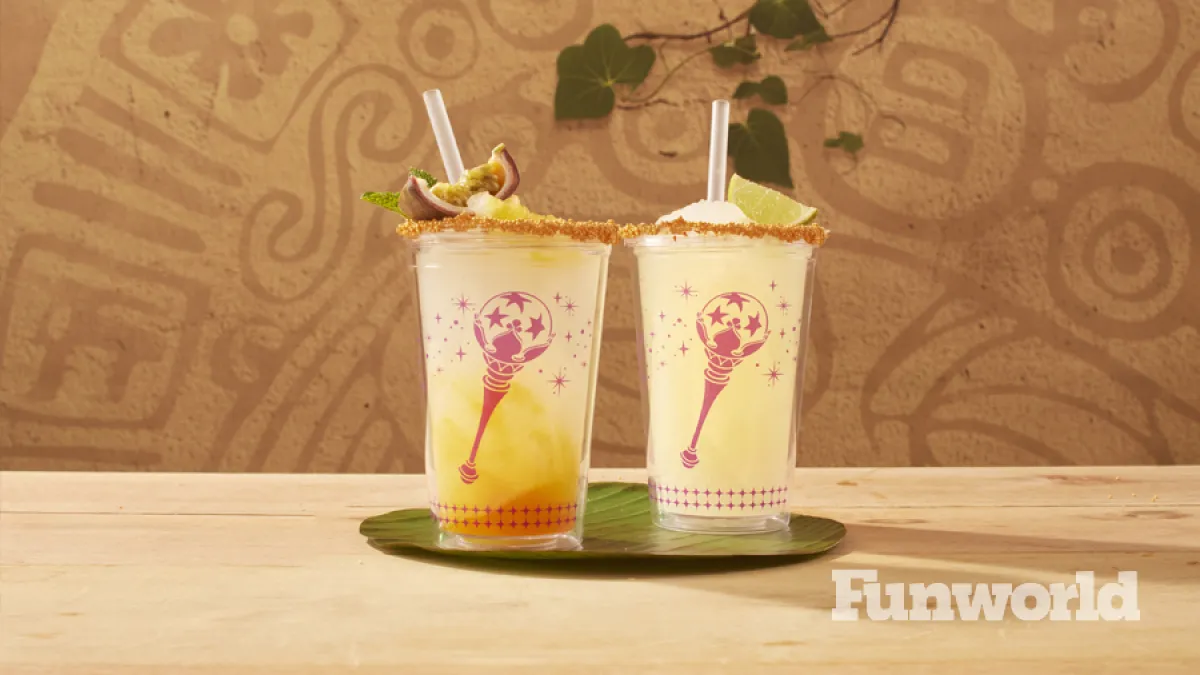
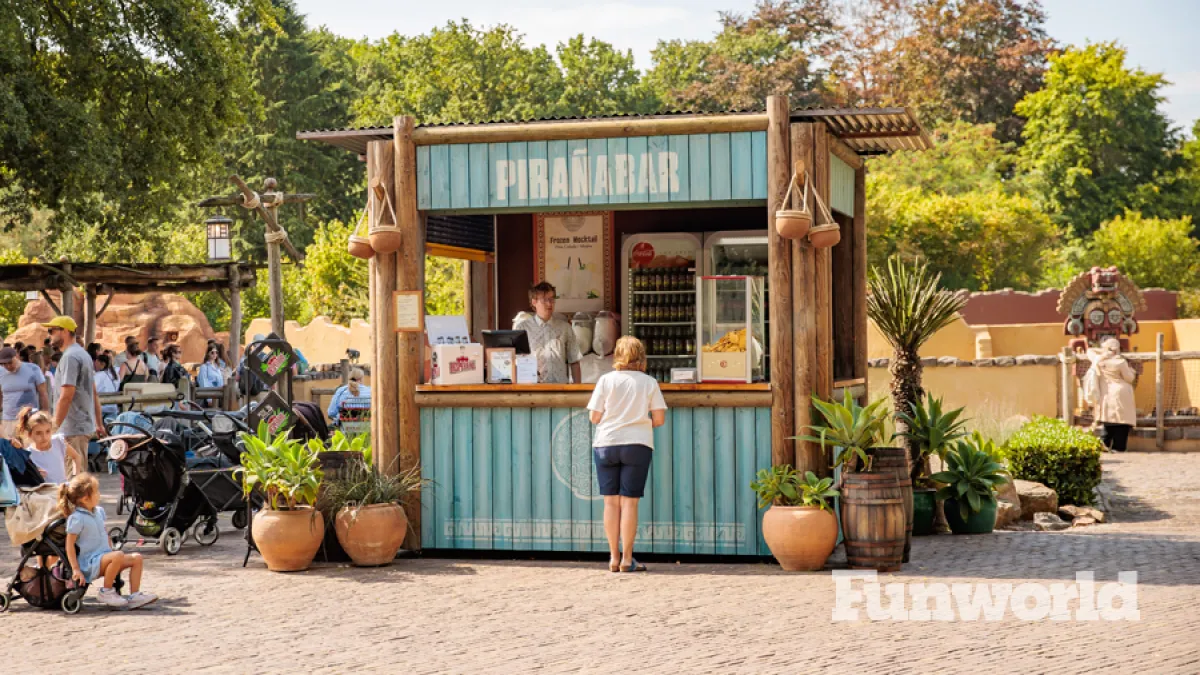
Pirañabar at Efteling mocktail drink cups
Photo by Efteling
Shaking Up Revenue Streams 

While guest demand may be driving the trend, operators also see clear financial benefits. Mocktails occupy a profitable middle ground between fountain beverages and alcoholic drinks. They command premium pricing while remaining accessible to a broader audience.

“The days of the fountain drink as the default are over,” says Manish Vora, CEO and founder of the Museum of Ice Cream. With locations across North America and Asia, Vora believes that when a guest sees a beautifully crafted drink they’re not doing a cost-benefit analysis; “they’re saying ‘Yes’ to the experience, and that ‘Yes’ shows up in our numbers.”

Yasuk in Florida agrees. He says that mocktails’ higher perceived value is linked to above-average guest spending. “We have found that guests are willing to pay for unique experiences, especially when presentation and theming are involved,” Yasuk adds. “These beverages often encourage incremental purchases, increase overall guest spend, and support higher-margin beverage programs.”

“Families want something special for their kids that doesn’t feel like it was designed as a consolation prize, and adults want sophistication without compromise,” says Vora. “Gen Z [ages 14-29] is rewriting the entire playbook around what it means to have a good time, and they are not willing to trade quality for sobriety.”


Memorable Moments 

Reoewein Niesten, CEO and founder of Conceptional B.V., a specialized food and beverage (F&B) consultancy agency based in the Netherlands, recalls a memorable mocktail moment. “It was the frozen piña colada and frozen mojito mocktail at Efteling on a sunny day. It was the great treat we needed.”

He points to other examples across attractions. In Sweden, Liseberg’s Mei Rose Rooftop Bar and Bistro mocktail menu includes blends of watermelon, lime, and soda; strawberry and hibiscus; and wild rose, juniper, and citrus. Europa-Park’s resorts in Germany and the Cocktail Bar at the Plopsaland Theater Hotel in Belgium also offer carefully curated mocktails to suit all tastes.

Niesten encourages attraction operators to embrace the trend for distinctive, themed, IP-oriented, nonalcoholic beverages.

“Make it part of your food and beverage vision and food and beverage master planning for the seasonal offer segment or add it to your beverage offer if it’s operationally and commercially viable. But be mindful of where you promote them. Weather conditions in outdoor parks in Spain differ from those in Sweden, for example, creating different needs and flavors,” Niesten shares.

Beyond their Instagram appeal, mocktails offer attractions a new revenue opportunity: Premium drinks can command €7-11, compared with €3-5 for a soft drink. “They should increasingly be seen as a premium beverage category, not merely as an alcohol substitute,” Niesten tells Funworld.

Pirañabar at Efteling
Photo by Efteling
Recipe for Success

For TOCA Social, billed as the world’s first interactive soccer and dining attraction, the biggest benefit of alcohol-free drinks is inclusivity, says Mike Parnham, TOCA’s global head of operations.

TOCA Social has three United Kingdom sites, a facility at the Westfield CNIT shopping mall near Paris, and is in expansion mode across the United States and Mexico.

Parnham shares insight on how TOCA Social approaches its mocktails.

“First, we use quality zero-proof spirits to recreate classic TOCA Social cocktails without the alcohol, so guests can enjoy a similar experience and flavor profile. Second, we create refreshing long drinks using combinations of juices, sodas, fruits, and other flavors,” he says.

The company works closely with its brand partners and frontline staff to develop drinks. “Some of the best ideas come from the team behind the bar making and talking about drinks every day,” Parnham says. “Ultimately, whether someone orders a cocktail or a mocktail, we want the reaction to be exactly the same: ‘That’s a great drink.’”


Integrated Attraction

Dan Zubaida, a partner at OC&C Strategy Consultants, sees the potential to capture spend from a growing segment of consumers who want an indulgent treat
without the alcohol. While satisfied guests are also likely to linger longer, however, “if people feel a venue isn’t inclusive, they may go elsewhere,” he says. “You’re simply leaving money on the table if you’re not serving consumers’ needs.”

What do guests think? Clara Rice, director of global marketing and growth at Adirondack Studios, understands this personally. “When I was in Costa Rica, my mocktails came in a pineapple, and the passionfruit was probably harvested down the road—you could taste the ‘Pura Vida’ in every sip. When I visited Hobbiton Movie Set Tours in New Zealand, it was an emotional, magical, once-in-a-lifetime experience to sip a Frogmorton Ginger Beer at the Green Dragon Inn, looking up at Bag End at sunset.”

But she adds a word of caution to operators: “Please do not name a cocktail and its mocktail counterpart the same thing! One honest mistake could risk a guest’s entire sobriety journey, ruining more than just their evening.”

Rice believes improving alcohol-free options like mocktails can equate to a better overall experience, higher per-capita spend, and a greater chance of repeat visitation, resulting in increased word of mouth, raised visitor satisfaction ratings, and stronger F&B revenue for attractions operators. In her words, “I say ‘cheers’ to that.”

Innovative attractions have proven that beverages can do much more than quench thirst. They can generate revenue, broaden inclusivity, create social media moments, and become another tool for storytelling, one glass at a time.

julianna gilling headshot
Juliana Gilling

Juliana, Funworld's contributing editor, began covering the global attractions industry in 1994. She reports on innovative people, projects, and additions for Funworld and the IAAPA News Hub. Juliana lives in the U.K., where she runs a freelance writing business. Connect with her on LinkedIn.

More from this contributor

For media inquiries or further information, please visit the Pressroom or email [email protected]

IAAPA is the leading global association for the attractions industry, representing theme parks, water parks, family entertainment centers, zoos, aquariums, and more. Dedicated to advancing industry growth, safety, and innovation, IAAPA provides its members with world-class events, educational resources, and advocacy efforts. IAAPA connects professionals across the globe, helping them create impactful guest experiences and drive business success. More about IAAPA

Connect with the Real Stories Behind the Fun

Follow our social media for authentic stories, special moments, and behind-the-scenes looks from the attractions world.

Winners of IAAPA Brass Ring
Santa Cruz Giant Dipper 100 Years Signage
Dogs playing in pool
Celebration Canada signage
Confetti falling at IAAPA event
IAAPA Presentation with Walt Disney photo background
Women eating in restaurant