

How Brains Can Inform Design
Genein Letford, CEO of Caffe Strategies, urges attractions professionals to rethink the guest experience. She is on a mission to develop “brain capital”—the brain skills and brain health people need to work, create, and innovate together.
Business leaders must understand the importance of creativity to the brain, Letford believes. She describes the brain as “an experiential organ” that evolves continuously. Every ride, exhibit, and show shapes a guest’s experience.
Letford adds that we don’t see with our eyes; we see with the brain. “You and I can see the same artwork and have completely different experiences,” she says. Ensuring diverse voices are present at the decision-making table is key, she believes.
Understanding Visitors
Understanding and listening to visitors is essential, according to Ned Diestelkamp, vice president of PGAV Destinations. PGAV’s Voice of the Visitor study has introduced questions about guests who are neurodivergent, have a disability, are people of color, identify as LGBTQ+, and have a larger body size to gain a deeper understanding of their motivations and experiences.
“Thirty percent of visitors reported visiting with someone who was neurodivergent or has a disability,” he explains. “In other words, 30% of our visitors are personally affected by the level of empathy attractions employ in accessibility choices.”
Diestelkamp highlights some troublesome results. “Voice of the Visitor shows that 34% of people with a disability experienced discrimination or had a negative experience due to that disability. Thirty percent of parties with a neurodivergent member reported a negative experience. And though LGBTQ+ and people of color parties reported significantly fewer negative experiences, with 9% and 8%, respectively, our industry knows that there is no excuse for any of those numbers to be above zero.”
Inclusive Innovations Across the Industry
Diestelkamp highlighted positive developments around inclusion, from the Hidden Disabilities Sunflower Lanyards scheme born at Gatwick Airport in London—which gives individuals a subtle way to signal that they may need extra time, understanding, or help in public spaces—to the sensory-friendly Calming Corner at the St. Louis Aquarium. The Sesame Place Philadelphia and Sesame Place San Diego parks have also partnered with the International Board of Credentialing and Continuing Education Standards (IBCCES) to become Certified Autism Centers.
Design That Benefits Everyone
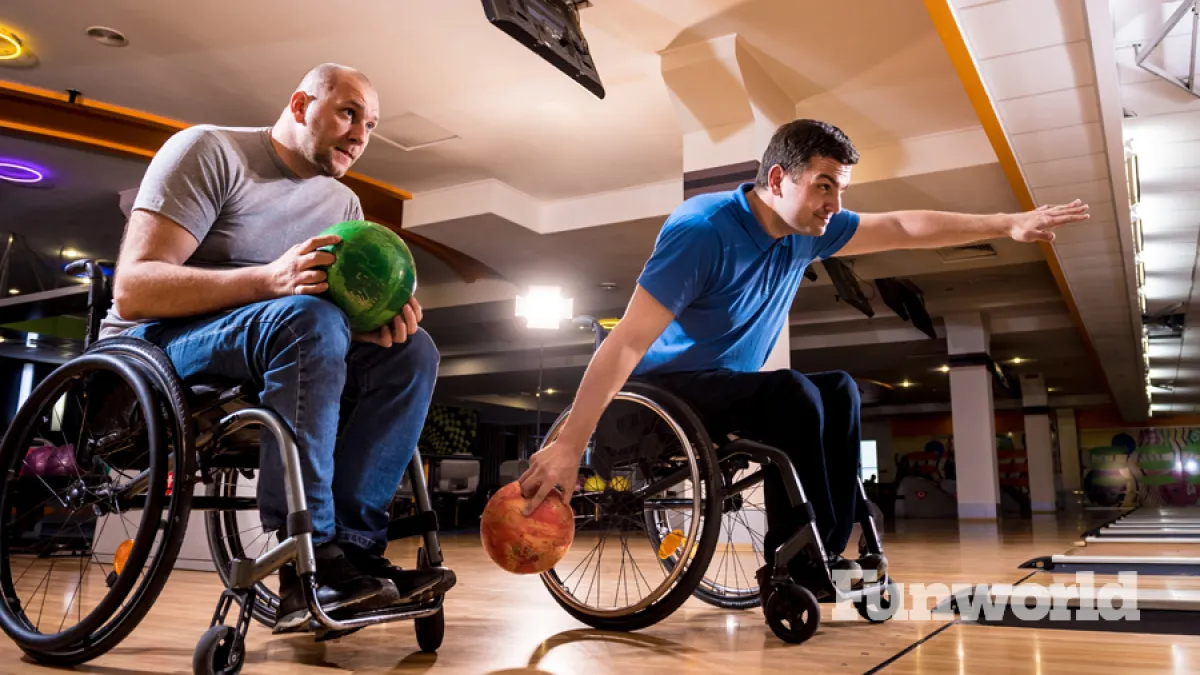
IBCCES president Meredith Tekin brings attention to the curb-cut effect. Although originally designed to improve accessibility for wheelchair users, curb cuts also benefit parents with strollers, travelers with luggage, delivery workers, and cyclists. Similarly, designing for people with sensory sensitivities can help those with anxiety or PTSD. By creating attractions that are easy to access and have amenities that encourage visitors to stay longer, everyone benefits.
“Information is accessibility,” Tekin says. Empower guests by providing pre-visit planning resources all in one place—not just ride policies, but social stories, menus, changing facilities, program schedules, and contacts if people have questions.
Regular employee training matters, too. “Statistically, your staff is neurodivergent as well,” she adds. Organizations could offer low-sensory spaces for both staff and guests.
Executing on Inclusive Values
Compassion can transform experiences and have a lasting impact. Tekin recalls feedback from one family whose autistic child had a meltdown in a Legoland retail space. The staff simply said, “You don’t have to leave,” bringing tears to the parents’ eyes. “In a world where people are often met with misunderstanding or judgment, they offered acceptance and joy. This will be a lifelong visitor to Legoland,” Tekin says.