


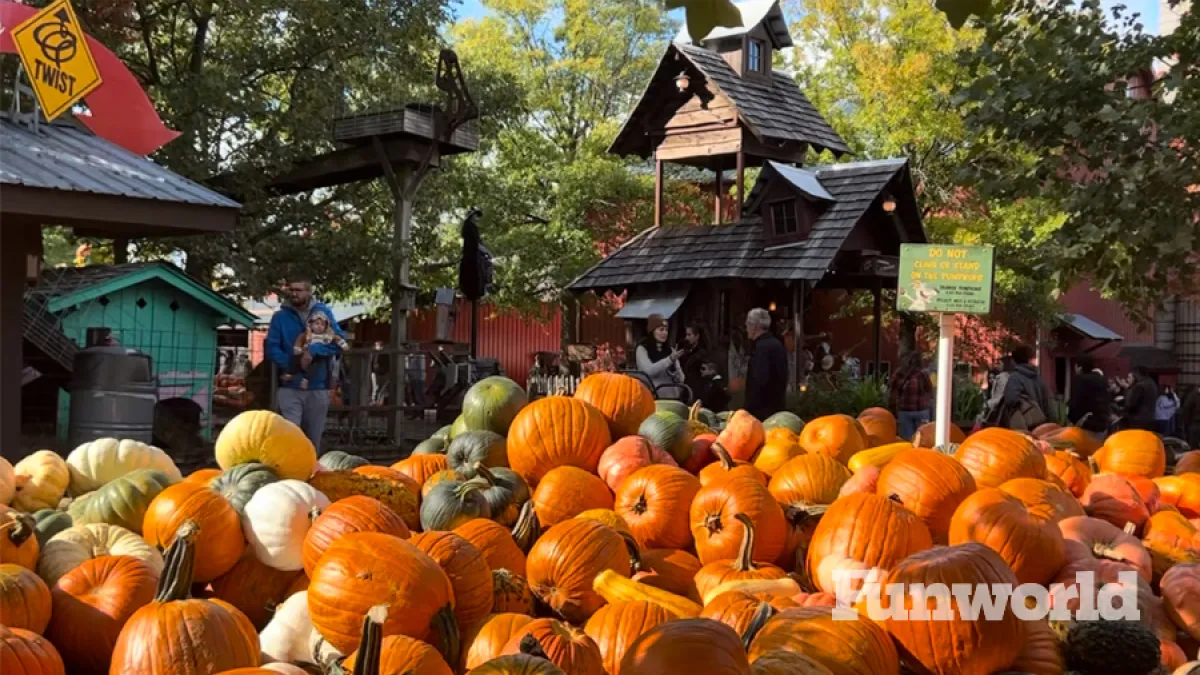
It’s fall in the northern hemisphere, bringing the potential for throngs of seasonally charged festivity seekers of autumn events, Halloween scares, and family bonding. However, a question that is always top of mind for any marketer is where to target their media spend to maximize visibility and return on investment (ROI).
Digital, out of home (OOH), connected TV, broadcast, and print all have their
various appeals, depending on demographics, but first, attractions’ brand marketers need to know the landscape that customers find themselves navigating before they make their buys.
Given the current state of the current economy, consumer decision-making in 2026 will look different than in years past. Families will have had less memorable moments throughout the year, nixing the annual big vacation as daily expenses mount. While this has caused pain that the industry has weathered, it presents an incredible opportunity for brands. Now is the time for attractions to elevate their new or traditional autumn experiences so they connect, create lasting memories, and build brand loyalty or familiarity.
As families stay home, media consumption has naturally increased on social and video. However, because consumers have stayed closer to home, there is an expanded impact in cinema and out-of-home ads. The massive success of family films like “Super Mario Galaxy” has brought cinema advertising back into the limelight. Meanwhile, free family-friendly areas have resonated at an increasing rate, providing higher ROI for OOH advertising. Especially when reaching multicultural audiences, out-of-home advertising for family events provides maximum visibility.
Social advertising is still the primary driver for engagement for reaching mothers and teens: Meta (Facebook and Instagram) is the most used platform for mothers, and YouTube is best for promoting experiences for teen outings. TikTok and Snapchat are popular with the teen demographic, but delivering authentic messaging on those platforms is difficult, which leads to fragmentation.
In our research and spend at Moroch, data shows that when making social or digital spends, video outperforms non-video, because attractions and events are visually appealing and can deliver a taste of the experience. Consumers can easily envision themselves taking part in the event, rather than having to create the experience in their own mind that stems from a static visual cue.
Halloween and autumn need to be a priority spend for attraction brands. Fall is second only to the Christmas season in regard to per-person spending, and the number of people participating in Halloween activities has massively increased in the past 20 years. A National Retail Federation study found roughly half of all adults took part in 2005—by 2025, that number rose to more than 70%.
Don’t get spooked by the seasonal spend. Consumers are actively seeking venues to fill the void that frugality has forced on them.