


Artículo
Rincón de la seguridad: Mejorar la seguridad en el agua
Hacer de la prevención de los ahogamientos nuestra base
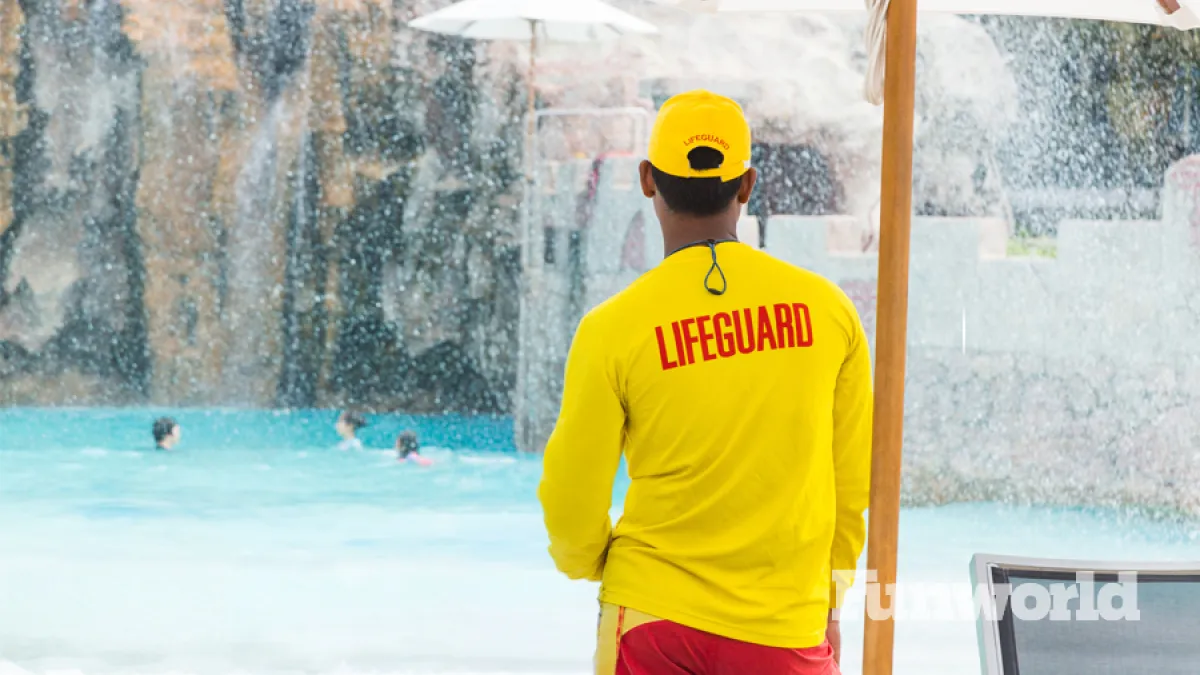
EL AGUA ES EL ATRACTIVO UNIVERSAL DE NUESTRO SECTOR, ya que ofrece emociones, relajación y alivio del calor del verano. Sin embargo, para los operadores de instalaciones acuáticas, la presencia del agua exige un compromiso inquebrantable con el bienestar de los visitantes. La prevención de ahogamientos no puede ser simplemente un protocolo aislado; debe ser la base sobre la que se sustente el buen funcionamiento de cualquier parque acuático o instalación acuática.
Las estadísticas sobre seguridad acuática son un recordatorio aleccionador de por qué es importante nuestra vigilancia. A nivel mundial, el ahogamiento se cobra aproximadamente 230 000 vidas cada año, según la Organización Mundial de la Salud. En Estados Unidos, datos recientes de los Centros para el Control y la Prevención de Enfermedades muestran que, lamentablemente, las muertes por ahogamiento van en aumento, con más de 4.500 víctimas mortales al año. Actualmente es la principal causa de muerte entre los niños de 1 a 4 años, y más de la mitad de los adultos estadounidenses nunca han recibido clases formales de natación. Casi todos los ahogamientos se pueden prevenir, y la mayoría se producen cuando hay un descuido en la supervisión o una falta de barreras físicas.
A medida que evoluciona el sector de las atracciones, también debe hacerlo nuestro enfoque de la seguridad acuática. La prevención proactiva de los ahogamientos requiere una estrategia multifacética que integre una formación rigurosa, el diseño de las instalaciones y una sensibilización pública constante, todo ello potenciado por las mejores prácticas modernas.
Estas medidas pueden fomentar una concienciación continua tanto entre el personal como entre los visitantes:
- Validación y auditoría de zonas: Validaperiódicamente las zonas de protección de los socorristas y realiza «simulacros de caída» sin previo aviso utilizando maniquíes sumergibles y siluetas. Pon a prueba a tu equipo con frecuencia para mantener a los socorristas preparados y alertas. Forma a los responsables para que identifiquen cuándo los socorristas no están actuando con la debida atención y estén preparados para abordar los problemas de inmediato.
- Educación activa de los visitantes: Una señalizaciónclara , el cumplimiento estricto de los requisitos de altura y los límites de peso en las balsas, así como las normas obligatorias sobre el uso de chalecos salvavidas para quienes no saben nadar, son controles administrativos fundamentales. Los operadores deberían plantearse la introducción de puestos interactivos de ajuste de chalecos salvavidas en la entrada principal para educar de forma proactiva a los padres nada más acceder al recinto.
- Potenciar a la primera línea: Fomenta una cultura en la que los socorristas se sientan plenamente capacitados para hacer sonar sus silbatos, hacer cumplir las normas y detener los comportamientos peligrosos de los visitantes antes de que se conviertan en emergencias. Considere recompensar el buen comportamiento del personal con programas de incentivos, como la entrega inmediata de fichas de recompensa (cuentas, pegatinas, puntos) por comportamientos específicos deseados, que el personal pueda canjear posteriormente por recompensas. Se trata de un sistema de modificación del comportamiento que puede aumentar el rendimiento, la moral y el compromiso al proporcionar un reconocimiento tangible de los logros relacionados con el trabajo.
Día Mundial de la Prevención del Ahogamiento
El verano ofrece una oportunidad ideal para que los operadores impulsen estas iniciativas a mayor escala. El 25 de julio se celebra en todo el mundo el Día Mundial de la Prevención de Ahogamientos, lo que supone un momento crucial para poner de relieve soluciones que salvan vidas.
La clase de natación más grande del mundo
Coincidiendo con esta fecha, el 25 de julio se celebra La Clase de Natación Más Grande del Mundo (WLSL). Recomendamos encarecidamente que las instalaciones se inscriban para ser sede de este evento. Participar en la WLSL es una forma extraordinaria de llevar la concienciación sobre la seguridad en el agua directamente a tu comunidad local.
En definitiva, la prevención de ahogamientos es un camino continuo. Al basar nuestras actividades en estos temas fundamentales de seguridad, garantizamos que nuestras instalaciones sigan siendo lugares de alegría, emoción y experiencias positivas duraderas.

Sigue a IAAPA para noticias y anuncios de eventos en tus aplicaciones de redes sociales favoritas
Conecta con las historias reales que hay detrás de la diversión
Siga nuestras redes sociales para conocer historias auténticas, momentos especiales y los entresijos del mundo de las atracciones.


