


The IAAPA Entertainment Task Force is an international working group dedicated to the well-being of the entertainment industry and advancing the impact of live entertainment. Rather than viewing performances as a supplementary feature, the task force sees artistic talent as a strategic resource—essential for guest engagement, brand identity, and long-term innovation. Its goal is to position live entertainment not merely as performance, but as a core business element—focusing on talent development, the exchange of best practices, and the creation of sustainable training structures.
Now is the time to bring this topic to the forefront, as many venues are facing increasing challenges in recruiting qualified performers. Early, structured talent development—as implemented by Europa-Park’s Talent Academy—not only addresses the talent shortage, but also fosters artistic excellence and long-term brand loyalty.
A Sustainable Answer to the Live Performer Shortage
From musicals and acrobatics, to character performances and street shows, live performers bring themed worlds to life. But behind the curtain, concern is growing— new talent is becoming scarce. The global shortage of trained performers presents a strategic challenge for parks worldwide.
Addressing the Challenge
Industry data paints a clear picture. According to a study conducted by the U.K.-based Professional Lighting and Sound Association of 40 countries in 2021, 69% of companies in the live events business report severe staffing shortages—not just in technical fields, but in performer roles. In Germany, similar analyses show a structural decline in new entrants to the stage and event sectors, even as demand for talent continues to rise.
A Structured Response
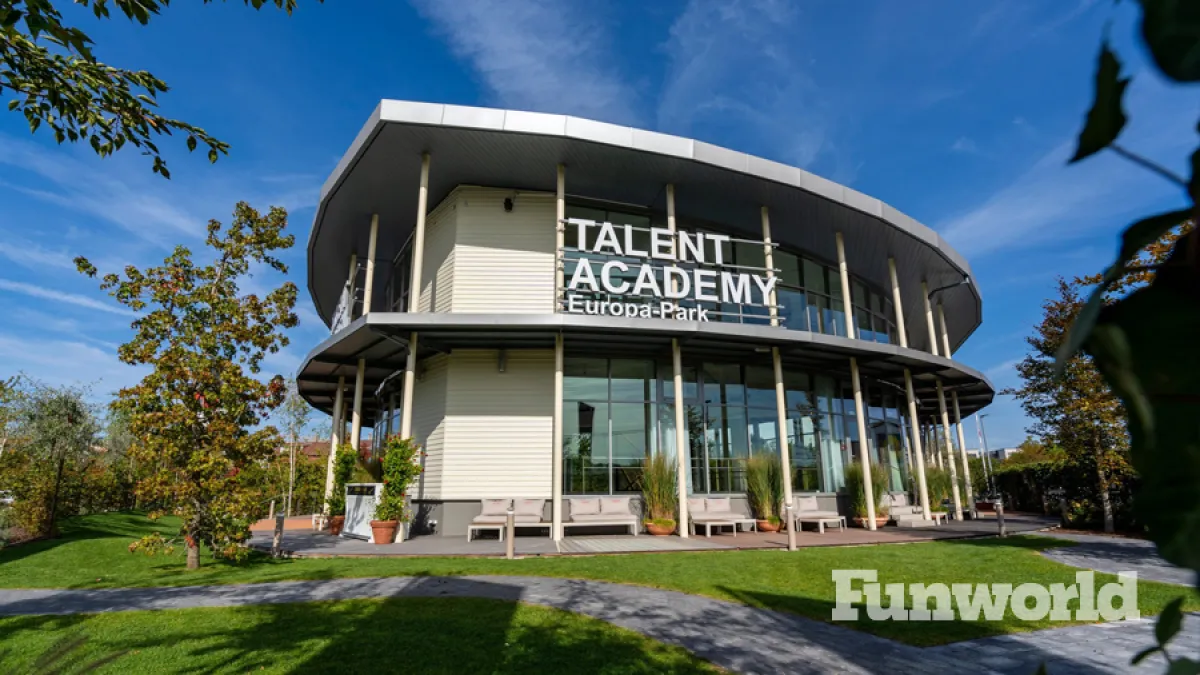
One approach is the Talent Academy at Europa-Park in Rust, Germany. Established in 2014, the academy was designed to give children and teens early, professional access to stagecraft. It now operates across more than 2,000 square meters, offering over 100 weekly classes led by more than 30 coaches in disciplines like dance, acrobatics, music, art, and mindset. What began as an extracurricular space has evolved into a recognized training pipeline. Students are guided by industry professionals and encouraged to build confidence, creativity, and discipline. Ten percent of Europa-Park’s 300 international artists were trained at the Talent Academy and now perform in show ensembles and feature acts.
A Potential Blueprint for the Global Attractions Industry
Could similar programs work elsewhere? The answer is yes— provided there’s infrastructure, staffing, and a long-term vision. Other sectors are already moving in this direction. In the U.K., the National Theatre is funding skill centers for stage jobs after seeing a 68% decline in drama students in public schools. In Australia, initiatives like Industri Education are building bridges between training and live music production to counter similar shortages. The evidence is clear: structured talent development works— especially when aligned with real-world needs and backed by sustained commitment.