


برعاية
الحفاظ على ولاء الضيوف وحنينهم إلى الماضي مع مجموعة أدوات ترحيل الإرث من Semnox
دمج بطاقات اللاعبين على بُعد نقرة واحدة فقط.
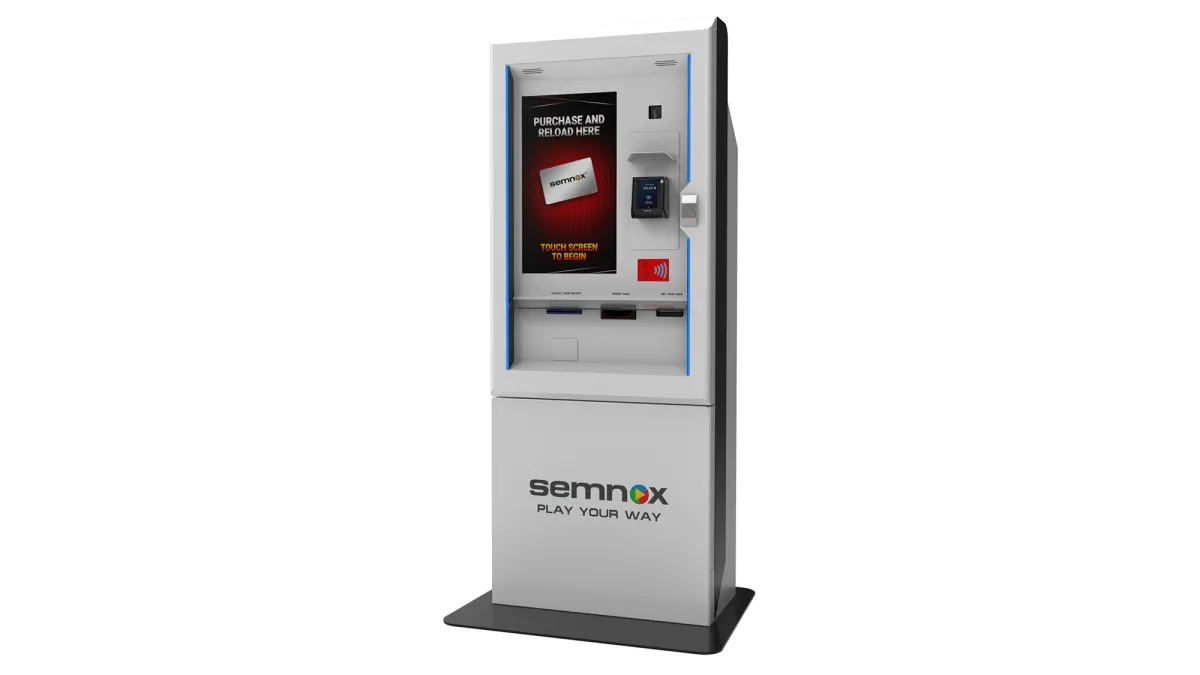
تواجه مراكز الترفيه سيناريو صعباً عند الانتقال من بطاقات المشغّل القديمة إلى منصة RFID الحديثة. يمكن أن يبدو تحديث الأنظمة التشغيلية مهمة شاقة، خاصةً عندما يؤثر تنفيذ هذه التغييرات على الفور على زيارة العميل التالية.
إن دمج نظام البطاقة الجديدة بسلاسة في أي عملية هو أحد التحديات؛ أما ضمان استمرار احتفاظ الضيوف السابقين بسجل ورصيد بطاقتهم فهو عقبة مختلفة تماماً.
تعمل Semnox على حل كلتا العقبتين من خلال أكشاك الخدمة الذاتية التي تمكّن الضيوف من تجميع كل الرصيد الحالي من البطاقات القديمة على الفور على بطاقة مشغل RFID واحدة جديدة عبر حل مجموعة أدوات الترحيل القديمة المبسطة.
إيجاد الحل المناسب
عملت ليناد بورمان، شريكة مبيعات سمنوكس في أمريكا الشمالية التي أشرفت على أول تركيب خارجي لبطاقة Legacy Migration Kit، على كلا جانبي نظام البطاقات. وهي تتذكر تجربتها السابقة كمشغل لنظام البطاقات.

تقول بورمان: "إن رحلة التسوق لمحاولة العثور على نظام مختلف أمر مربك". "كل شخص لديه شيء مبهرج أو لامع وأحيانًا يمكن أن يقود المدير إلى النظر إلى ما يريده أكثر مما تحتاجه مؤسسته."
وتحذر بورمان المالكين والمشغلين من توقع الحاجة إلى مزيد من الوقت والصبر، لأن ترحيل البيانات من نظام قديم إلى نظام جديد ليس دائماً عملية سلسة. وأكثر من يعاني من ذلك هم أصحاب المطاعم الذين لا يفهمون النظام القديم بشكل كامل ولا يدركون الموارد أو الجهد أو الأذونات اللازمة للوصول إلى البيانات الشاملة.
يقول بورمان: "إنه جزء مهم من عملياتك وهو لا يقل قيمة عن وحدات التدفئة والتهوية وتكييف الهواء وأنظمة السباكة لديك، ومع ذلك لا يتم إيلاؤه الاهتمام اللازم". "أنت بحاجة إلى قضاء بعض الوقت في التعمق في أي نظام تستخدمه وقضاء بعض الوقت في فهم هذا الاستثمار الكبير."
لا يواجه عملاء Semnox هذه المشكلة بفضل قدرات الشركة المتأصلة في نقل البيانات. حيث يتم نقل الملايين من حسابات المستخدمين بسرعة إلى منصة Semnox POS (نقاط البيع) أثناء عملية التكامل، وبالتالي الحفاظ على بيانات الضيوف في الواجهة الخلفية.
كما أن عملية تبديل البطاقات القديمة ببطاقات Semnox RFID (تعريف ترددات الراديو) الجديدة بسيطة وسلسة للعملاء أيضاً.

يقول بورمان: "لقد طورنا برنامجاً لأكشاك Semnox يمكّن الضيوف من مسح الرموز الشريطية القديمة الخاصة بهم وعرض جميع أرصدتهم الحالية وتحويلها إلى بطاقة RFID التي يتم إصدارها تلقائياً في الكشك". "يمكنهم بدء اللعب على الفور، تماماً كما فعلوا في زيارتهم السابقة، دون انقطاع."
يمكن للضيوف دمج الأرصدة من بطاقات متعددة - حتى تلك التي تعود لسنوات سابقة، في عملية واحدة - دون تدخل الموظفين. يمكنهم أيضاً إضافة رصيد إلى هذه البطاقات الجديدة في نفس المعاملة.
الحد من الاحتكاك وتسهيل الأمور
في بيئة تعد بالإشباع الفوري، يمكن أن تؤدي ثوانٍ معدودة من التأخير إلى إحباط الضيف بشكل فوري. تستخدم بطاقات Semnox وأساور المعصم تقنية RFID للقضاء بشكل استباقي على مشكلة شائعة جداً بالنسبة للضيوف: خطأ التمرير السريع.
"يقول فنسنت ستورينو، مدير العمليات في جينكينسونز بوردووك في بوينت بليزانت بيتش، نيو جيرسي: "كنت تمر وترى الناس يمرون بالبطاقة ذهاباً وإياباً لكي تعمل البطاقة الممغنطة. "وهذا لا يحدث مع الصنبور."
يوافق بورمان على أن المشغلين يلاحظون انخفاضاً في احتكاك المستخدم وتجربة أكثر إيجابية للضيوف مع رقائق RFID مقارنة بالرموز الشريطية.

ويوضح بورمان قائلاً: "قد يقوم الضيوف بالتمرير ثلاث أو أربع أو خمس مرات لتفعيل لعبة مرة واحدة". "إذا كان هذا هو السلوك الثابت، فسيصابون بالإحباط، وقد يكون هذا الإحباط عائقاً أمامهم حتى في اتخاذ قرار بشأن ما إذا كانوا يريدون زيارة المكان مرة أخرى في المستقبل."
يقول بورمان إن مناطق الجذب التي تقوم بالتبديل البسيط من التمرير السريع إلى النقر يمكن أن تشهد أيضاً تأثيرات إيجابية في اتجاهات الشراء.
ويضيف بورمان قائلاً: "تعمل بطاقات RFID وأساور المعصم على زيادة الإنفاق؛ فقد شهدت الأروقة ارتفاعاً في عمليات إعادة الشحن لأن النقر يجعل الأمر أسهل بكثير على الضيف للاستمتاع."
لقد أدى دمج أكشاك سيمنوكس في ممر جينكينسون إلى تخفيف العديد من الاختناقات المحتملة التي يمكن أن تعطل تجربة الضيف. يدّعي فريق ستورينو أن الأكشاك تقلل من طوابير الضيوف وأوقات الانتظار، وتمكن الضيوف من مشاهدة جميع جوائز المتنزه في مكان واحد، وتسمح للشركة بتعديل مهام الموظفين لتلبية احتياجات الضيوف المتنوعة بشكل أفضل.
وبالإضافة إلى الأكشاك الثابتة، اختارت جينكينسونز بوردووك شركة Semnox على منافسيها للاستفادة من إمكانات أجهزة قراءة KwickFun CC+ المحمولة باليد. تم تجهيز هذه الأجهزة المحمولة بجميع وظائف نقاط البيع الخاصة بشركة Semnox حتى يتمكن الموظفون من استرداد الأموال أو إعادة شحنها أو حل مشكلات بطاقات الضيوف على الفور.

يقول ستورينو: "نحن نعمل في هذا المجال منذ عام 1928". "كانت Semnox الخيار الواضح لنظامنا الجديد وأود أن أوصي بها لأي شركة مثل شركتنا."
الابتكار لجميع البيئات
تصمم Semnox حلولها لتحويل الإرث مع وضع التنوع الجغرافي لعملائها في الاعتبار، وهو سبب رئيسي وراء اختيار كين تايلور، المدير الإداري لكازينو بيير آند بريك ووتر بيتش في سيسايد هايتس، نيو جيرسي، لشركة Semnox بعد عامين من الدراسة المكثفة.
يقول تايلور: "لقد أردنا أن نرى كيف سيصمد النظام الجديد في بيئة رصيف مشابه لبيئتنا". "قمت أنا وعمي وأبي بزيارة رصيف كلاكتون بيير ورصيف سكيجنيس بيير في إنجلترا، ورأينا أن أكشاك سمنوكس المتينة يمكنها ذلك.
يشرف بورمان على حسابات ممشى جينكينسون ورصيف كازينو، وكلاهما يتطلب أكشاكاً خارجية يمكنها تحمل الظروف الساحلية لنيوجيرسي. سمح العمل مع هذه المرافق لشركة Semnox بإظهار كيف تطورت حلول الأكشاك الخارجية لتلبية الاحتياجات المتطلبة لعملائها في المناخات المتغيرة.

يقول بورمان: "تم تطوير كشك كليميت من أجلهم وهو الآن جزء من خط إنتاجنا الرئيسي". "لقد صممناها مزودة بأجهزة ترطيب ووحدات تكييف هواء لتتحمل بيئات مثل جيرسي شور."
لا ينتهي اهتمام Semnox بعملائها العالميين عند التركيب. حيث توفر مكاتب الشركة في جميع أنحاء العالم الدعم للعملاء على مدار الساعة طوال أيام الأسبوع، سواء كان ذلك في استكشاف الأخطاء وإصلاحها أو مناقشة التحديات التشغيلية المتطورة.
يقول بورمان: "نريد أن نكون شريكًا في نجاح عملائنا، وليس مجرد نظام يستخدمونه". "بدءًا من الرئيس التنفيذي ورئيس الشركة وصولاً إلى أسفل الخط، فإن عملائنا لديهم فريق Semnox الكامل الذي يدعمهم للتعاون معهم على المدى الطويل."
نهج العميل أولاً
يقول تايلور: "إذا اشترى الضيف بطاقة، فيجب أن يكون قادراً على استخدامها في الممرات والألعاب والحديقة المائية ومسارات الكارت، في أي مكان".
تشارك سيمنوكس هذا النهج الذي يضع العميل أولاً، وهذا هو السبب في أن أكشاكها توفر المرونة والوظائف للزوار للاستمتاع بمركز ترفيهي كامل دون استثناءات.
فأكشاك KlaimPrize، على سبيل المثال، تتيح للضيوف اختيار جوائزهم واستبدالها على الجهاز نفسه، مما يسمح للموظف بالتركيز فقط على استرداد العنصر من حائط الجوائز بينما يتيح كشك Kinetick للضيوف شراء أساور المعصم بتقنية RFID وتوقيع إعفاءات الركوب دون تدخل الموظفين.
على الرغم من أن ممر جينكينسونز بوردووك وكازينو بيير وكاسينو بريك ووتر بيتش يديران أكشاك البطاقات الخاصة بهما ككيانات منفصلة، إلا أنه يمكنهما تمكين التشغيل البيني إذا رغبا في ذلك.
يقول بورمان: "تتيح منصة Semnox تلك الوظيفة المشتركة بين المواقع". "يستخدم العديد من عملائنا بالفعل هذه الإمكانية العائمة للسماح للضيوف باستخدام نفس البطاقة في مواقع أو امتيازات متعددة."
على سبيل المثال، يمكن لسلسلة من الأروقة المملوكة لعائلة أن تتيح هذه الأداة المترابطة بين المواقع بنفس الطريقة التي تقبل بها الامتيازات الكبيرة على مستوى الدولة مثل تشاك إي تشيز بطاقة Play Pass في كل موقع بغض النظر عن مكان شرائها.

وبنفس الطريقة التي تتطور بها أجهزة Semnox بناءً على احتياجات العميل، فإن الكثير من نجاح مجموعة أدوات الترحيل القديمة يأتي من مشاكل بورمان وحلولها الخاصة التي واجهتها أثناء تقييمها للأنظمة كعميل بنفسها.
تقول بورمان: "لقد وجدت نظامًا واحدًا كان يدير تقارير رائعة ولديه وظائف رائعة، لكنه لم يسمح لنا باسترداد الأموال، وهو ما يمثل علامة حمراء كبيرة". "لهذا السبب أوصي دائمًا بأن يجتمع أصحاب المصلحة معًا ويضعوا قائمة بكل وظيفة مهمة في عملياتهم اليومية. فبدون قائمتي، كنت سأقوم بدمج نظام يخلق عقبة كبيرة أمام الصرافين بشكل يومي."
وتدعو بورمان أيضاً العملاء المحتملين إلى استخلاص استنتاجاتهم الخاصة حول الأنظمة من خلال حضور المعارض التجارية، والتحدث إلى المالكين الآخرين، ورؤية كيفية عمل هذه الأنظمة في مراكز التسلية المماثلة. في نهاية المطاف، تضع ثقتها ليس فقط في أجهزة Semnox ونقاط البيع الخاصة بشركة Semnox، ولكن في قدرة فريقها على التغلب على مشاكل الترحيل القديمة من خلال تنفيذ حلول خاصة بالعميل.
تقول بورمان: "لقد كنت محظوظة بما فيه الكفاية لخوض الكثير من التجارب خلال مسيرتي المهنية التي استمرت 30 عاماً والتي توفر لي الحلول المحتملة التي يحتاجها العملاء لعملياتهم الخاصة". "أنا لست مارداً في زجاجة، ولكن يمكنني استخدام مجموعة أدوات الترحيل القديمة للعثور على المسار الأقل مقاومة للعميل الذي يقوم بتحويل نظامه القديم إلى نظام نقاط بيع Semnox."
اكتشف المزيد حول حلول الترحيل من Semnox لترحيل النظام القديم على موقع Semnox الإلكتروني.
المقالة أعلاه برعاية Semnox. المحتوى المقدم لا يعني تأييد IAAPA أو IAAPA.org أو IAAPA News Daily أو مجلة Funworld. لا ينبغي تفسير المعلومات الواردة فيه على أنها توصية رسمية للمنتجات والخدمات أو إرشادات إرشادية مقدمة من IAAPA.

تابع IAAPA للحصول على الأخبار وإعلانات الفعاليات في تطبيقات الوسائط الاجتماعية المفضلة لديك
تواصل مع القصص الحقيقية وراء المتعة
تابع وسائل التواصل الاجتماعي الخاصة بنا للحصول على قصص حقيقية ولحظات مميزة وإطلالات من وراء الكواليس من عالم الجذب السياحي.


