


Storytelling potenziato
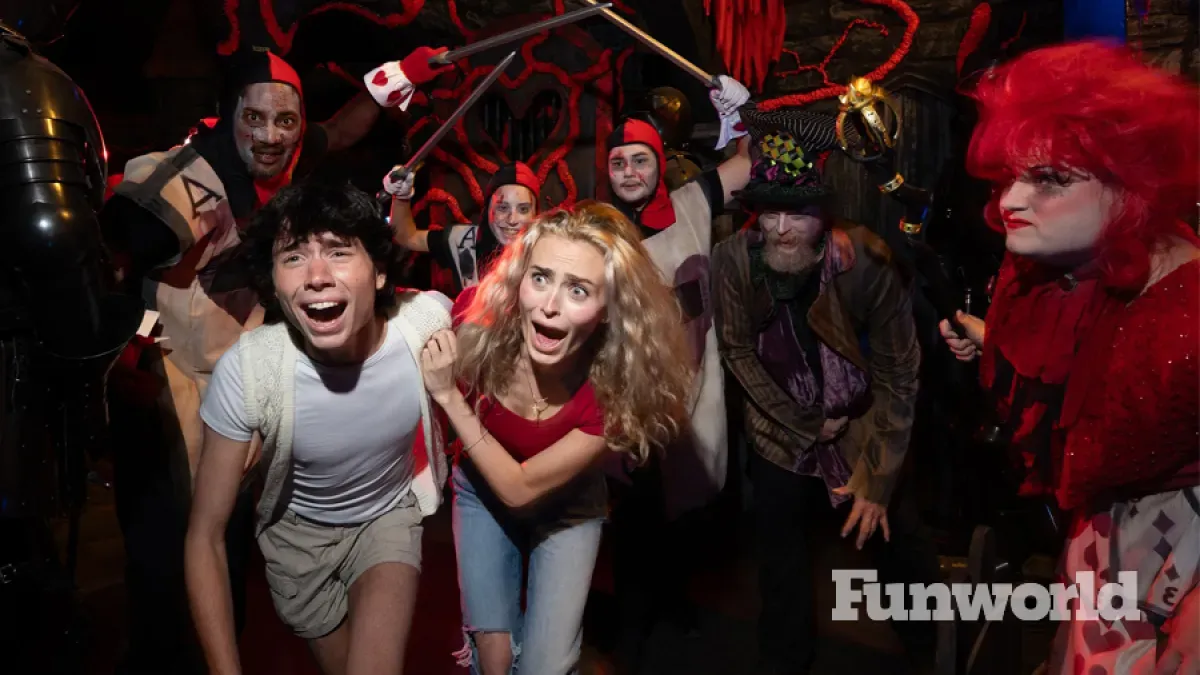
La narrazione non è più un elemento di differenziazione, ma il minimo indispensabile. Gli ospiti non sono più interessati a spaventi sconnessi e privi di contesto o continuità. Al contrario, le case dei fantasmi, i labirinti e i regni degli eventi completi sono sempre più spesso progettati attorno a narrazioni coese. Queste storie danno uno scopo agli spaventi, un peso emotivo ai personaggi e un ricordo duraturo all'esperienza. Una storia debole rende un'attrazione dimenticabile; una storia forte fa sì che la paura rimanga a lungo dopo l'urlo.
Espansione in più fasce demografiche
Il settore continua ad allontanarsi dal modello di festival autunnale "qualcosa per tutti", che spesso non soddisfa nessuno in modo particolare. Gli operatori di successo stanno invece creando esperienze distinte per un pubblico definito, spesso utilizzando gli stessi beni fisici in modi diversi. Gli eventi "dolcetto o scherzetto", adatti alle famiglie, possono svolgersi durante le ore diurne, mentre le serate si trasformano in esperienze ad alta intensità per adolescenti e adulti. Alcuni parchi stanno anche sperimentando eventi 18+ o 21+. Il punto di partenza è semplice: definite il vostro pubblico e, se volete raggiungere più pubblici, progettate più eventi.
Elementi di festa
Le attrazioni stregate non riguardano più solo la paura, ma anche le relazioni sociali. Le zone di ballo, i bar a tema, le aree DJ e gli ambienti in stile club continuano a crescere di popolarità. Questi elementi forniscono un sollievo dall'intensità, prolungano la durata del soggiorno e incoraggiano la condivisione, sia di persona che sui social media. Gli elementi di festa aumentano anche i ricavi da cibo, bevande e merchandising, ampliando l'attrattiva. Fate in modo che il ritrovo sia un'esperienza in cui gli ospiti vogliano soffermarsi, non solo fuggire.
Coinvolgimento fuori stagione
La paura si è estesa ben oltre la stagione di Halloween. Gli operatori ora estendono le esperienze infestate con attrazioni per tutto l'anno e con sovrapposizioni festive limitate. Gli eventi di San Valentino, le attivazioni di Venerdì 13 e gli eventi horror basati sulla proprietà intellettuale continuano a dimostrarsi validi. Gli ospiti mostrano un forte appetito per spaventi di alta qualità durante tutto l'anno.
Intelligenza artificiale
L'intelligenza artificiale è sempre più presente dietro le quinte. Nel settore delle attrazioni, l'intelligenza artificiale può aiutare a ottimizzare i tempi degli spaventi, a migliorare il flusso della folla e a informare lo sviluppo creativo nelle prime fasi. La distinzione fondamentale è capire che l'IA supporta la creatività. Se usata correttamente, l'IA consente ai team creativi e agli operatori di prendere decisioni più rapide e informate. Incorporare l'IA in modo strategico e lasciare che sia l'immaginazione umana a dare la forma finale.