


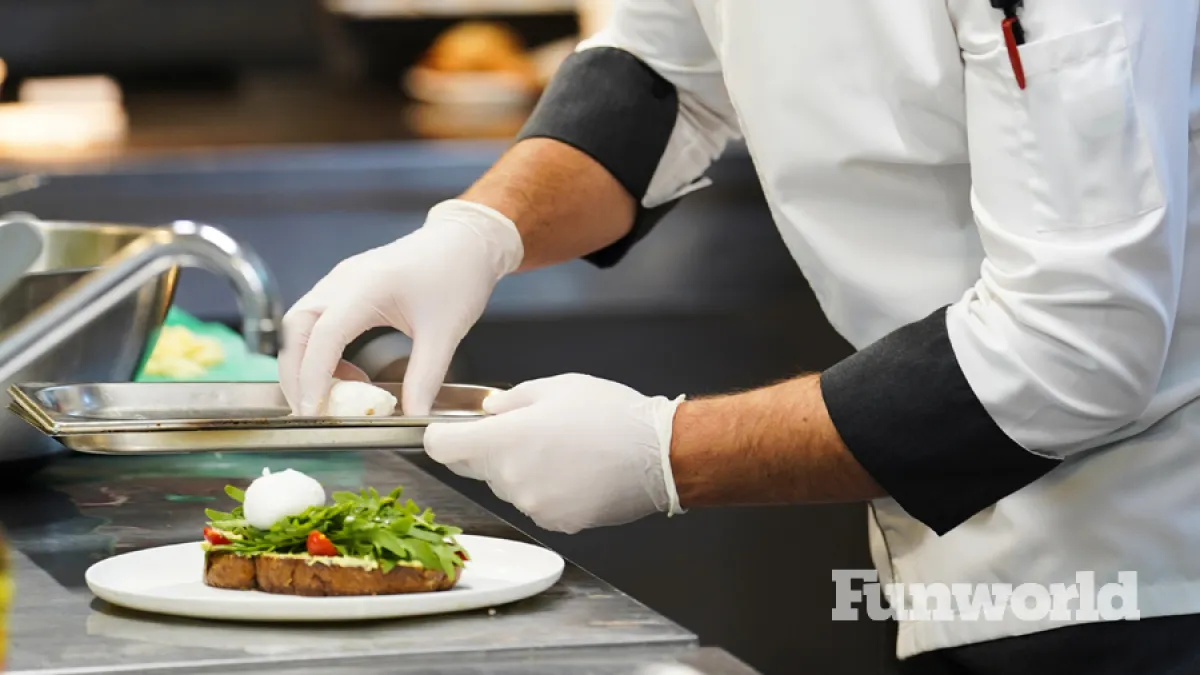
From limited-time food festivals to holiday celebrations, specialty culinary offerings can increase footfall and drive additional revenue for attractions. As quality food and beverage programs continue to advance, food handling and safe preparation practices need to remain paramount for operators.
The Centers for Disease Control (CDC) in the United States reports more than half of U.S. foodborne illness outbreaks are linked to restaurants and foodservice businesses. The CDC estimates that roughly 48 million people get sick from contaminated food each year. For attractions operators, this not only poses health risks, but also potential legal, financial, and reputational damage for those held responsible for an outbreak.
Fortunately for IAAPA members, a partnership with the National Restaurant Association can help prevent foodborne illness. Named ServSafe, the program’s curriculum is developed by experienced food safety thought leaders, academic experts, and governing bodies.
“ServSafe is the most credible and widely used food safety training and certification product suite in the restaurant and foodservices industry,” says Elisa Cain, senior sales manager at the National Restaurant Association. “Widely adopted by the largest restaurant and foodservice companies in the U.S., ServSafe has issued more than 18 million restaurant and foodservice credentials.”
ServSafe products can help managers and attractions of all sizes not only comply with regulatory requirements, but also build and promote an internal food safety culture that mitigates risk and cultivates an environment of shared responsibility for keeping guests safe.
“IAAPA members can have the confidence that ServSafe material reflects the latest science and research,” Cain tells Funworld.
Online delivery of ServSafe training products can be delivered anywhere and across multiple sittings, perfect for scheduling frontline employees now or as a new operating season begins. Curriculum includes safe handling methods, serving alcohol, and allergens.