


Funworld
Revenue Operations: Building an Arcade
The case for adding an arcade to an attraction facility and unlocking new revenue streams
Funworld consults Megan Burtch, merchandising manager of Redemption Plus and IAAPA FEC Committee member, on key strategies for operators considering an arcade addition—how to start, what to expect, and why the investment can drive lasting results.
Why should operators consider adding an arcade?
Cinemas and other single-attraction venues have faced declining attendance since the pandemic, leaving many with underused space. An arcade can turn a party room, empty auditorium, or even a corner into a profit center. It extends guest visits, increases spending, and attracts new audiences—even those not interested in a movie.
What kind of arcade experience works best?
While some arcades focus on retro or bar-style setups, the most successful model is a modern arcade. These feature ticket redemption games, self-merchandisers like claw machines, and high-tech video games, such as Mario Kart or virtual reality. This mix draws families and younger audiences while keeping repeat visits strong.
How do these games generate profit?
About 65–70% of a high-performing arcade is redemption-based. Guests win tickets to redeem for prizes, which motivates continued play. Video games account for 15–20% of the mix, offering longer playtime without prizes. The remaining 10–20% are instant-win merchandisers. Together, they create variety and keep guests engaged.
What role do prizes play?
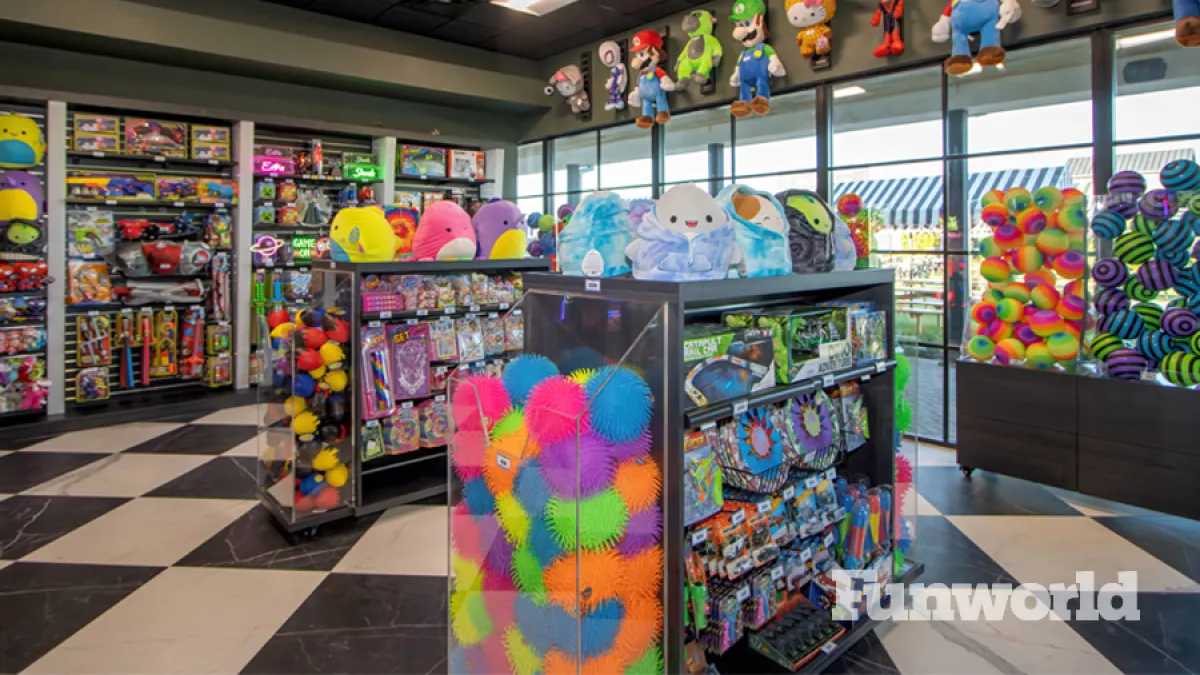
Prizes drive gameplay. Guests often look at what’s available before playing and set ticket goals. Strong displays encourage them to add funds or save tickets for future visits. The mantra “Winners Make Players” is true—visible wins inspire others to join in, building energy and excitement.
How should operators set up redemption?
Two common formats are counters and stores. Counters suit smaller arcades, while larger spaces benefit from store-style setups, which let guests browse independently. Automated options like Prize Hub (a self-service prize vending system) can also work. Whatever the model, redemption is often a guest’s final impression, so staffing and prize selection must be strong.
What about space and placement?
Modern games are big—about 65 square feet each. Operators should allocate around 125 square feet of redemption space per 1,000 square feet of arcade. Place the arcade where traffic is high.
What does it take to keep an arcade running?
Arcades aren’t “set it and forget it.” Maintenance is critical—having in-house staff ensures games stay online and generate revenue. Operators should also reinvest 5–10% annually into new titles to keep the experience fresh.
What kind of returns can operators expect?
On average, operators should aim for at least $200 per game, per week. At that rate, most machines pay for themselves within 12–18 months. Arcades often boost other revenue streams too— restaurants, for instance, may see a 10% sales lift from added visits.

Follow IAAPA for news and event announcements in your favorite social media apps
Connect with the Real Stories Behind the Fun
Follow our social media for authentic stories, special moments, and behind-the-scenes looks from the attractions world.


